

Dion Dublin Unfiltered: Finding balance beyond the game

Find Your Fit with Health & Fitness Expert Clare Stobart
Dion Dublin Unfiltered: Finding balance beyond the game
From Premier League pitches to television screens, Dion Dublin has worn many hats. Known for his infectious energy, candid insights and the occasional unexpected anecdote, including the time he invented his own percussion instrument, Dion has a way of turning every conversation into something memorable.
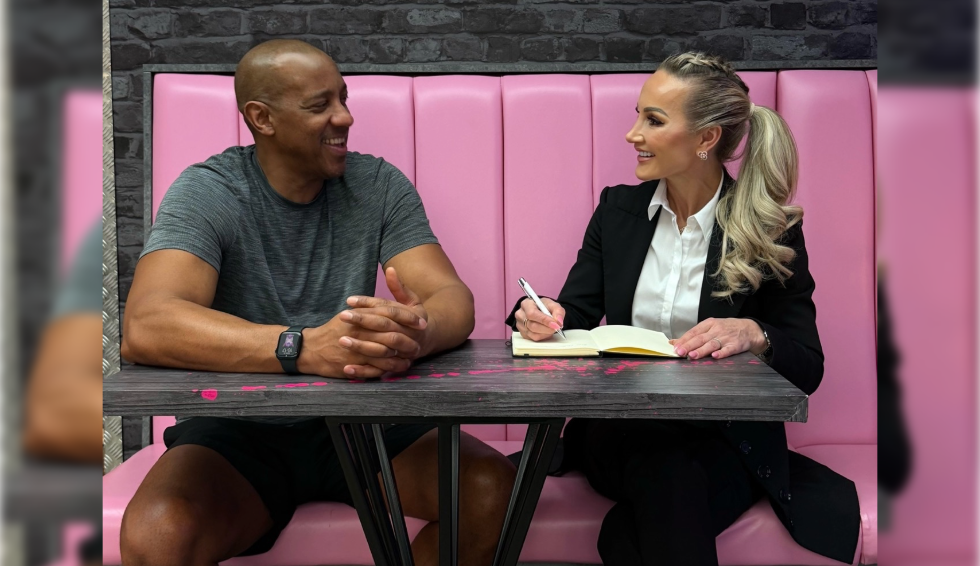
In this interview, Clare sits down with Dion to explore the moments that shaped his career, the lessons he’s learned along the way and what continues to drive him off the field.
Tell me a little about your early years.
My commitment towards my career began at 12, living in Leicester. If there was a training session or a game to be had, I’d be there. My boots would be clean and my shin pads would be ready. If there was a game on a Saturday, I wouldn’t go out on the Friday. My family were committed very early too and my Mum and Dad would take me all over the country in their Morris Marina.
One thing that people won’t know is that when I was 16 on trial at Norwich City, I was living in Great Yarmouth with my brother, Ash and his housemate, Jason Statham! I haven’t spoken to him for years, but Jason is a great bloke, very down to earth and he’s gone on to do incredible things.
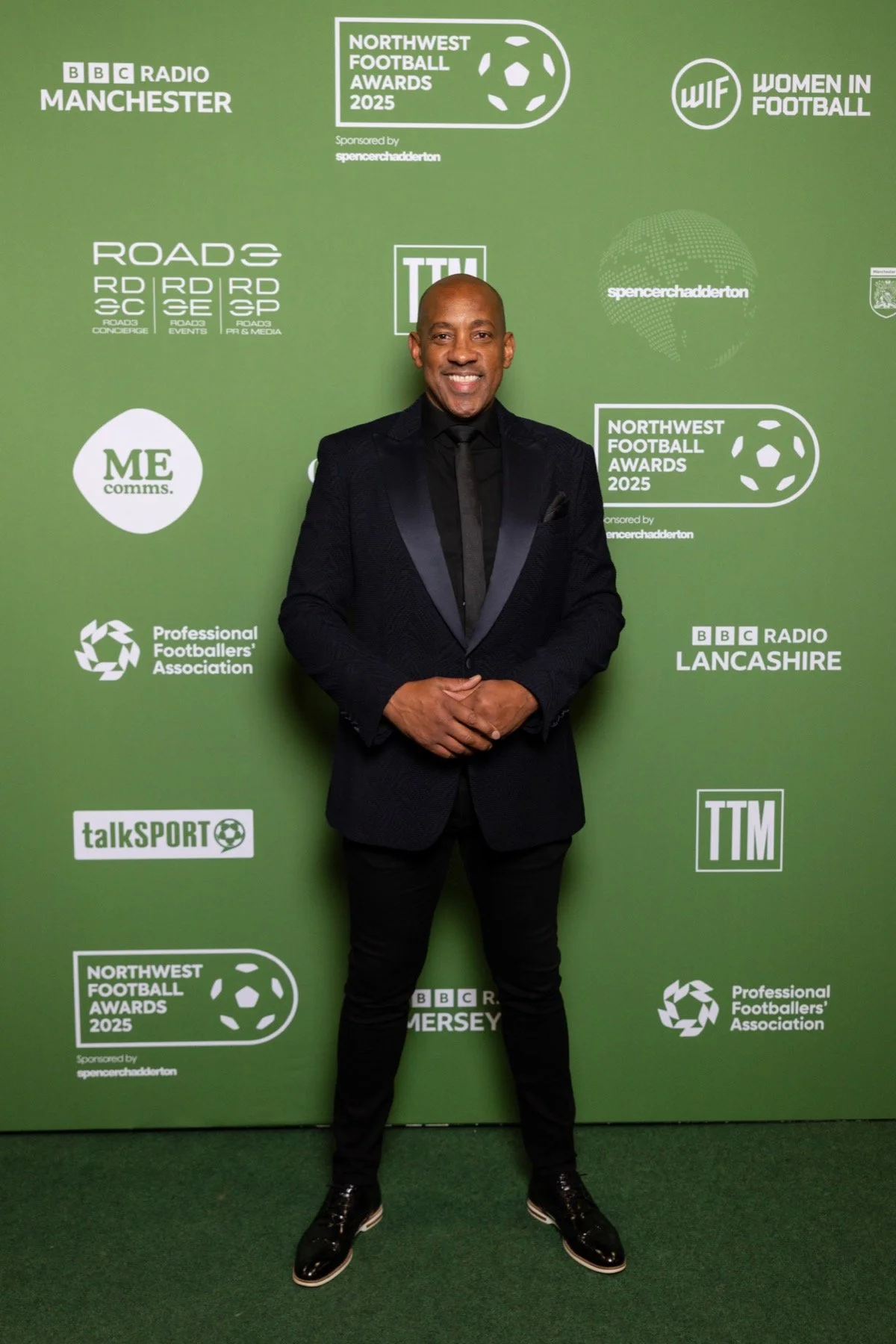
IMAGE: Spencer Chadderton NWFA 2025
You had an impressive career, what would you consider to be your biggest achievement and stand out moments?
My best moment in football came in 1990 for Cambridge United in front of 27,000 people at the old Wembley. We won the very first play-off final in the history of the game and I scored the only goal. That, to me, kind of put Dion Dublin, the footballer, on the map. Personally, that’s a really big moment in my career.
I played for 22 years as a pro footballer for 8 clubs, which was amazing. Being paid to do what you love is special. Walking out for my country in front of 90,000 people at old Wembley, wearing the number 9 shirt was very much a ‘pinch me’ moment. That was incredibly special.
Scoring my debut for Manchester United and Aston Villa, getting into the ‘Hundred Club’ by scoring 100 Premier League goals and winning the Golden Boot were all pretty special to me as a centre forward.
Away from that, obviously, your kids are first and foremost, but I just enjoy life every day.
During your playing career, how did you balance discipline as a professional footballer with allowing yourself to enjoy life and indulge occasionally?
My era of football did indulge; it was old school. Football was just turning over a new leaf back then, with ice baths and all that stuff only just coming in.
We liked to drink beer when I played! If we won on a Saturday and we didn’t have a game until the following Saturday, we’d have a drink on a Sunday, but it would always have been okayed by The Gaffer.
Brucey (Steve Bruce) or Robbo (Bryan Robson) would have said, “Gaffer, the boys are together. Do you mind if we have a drink? We’re not going anywhere. Nobody’s driving.” He would say, “Yeah, no problem at all”. That squad of players were so successful because they respected each other. It was incredible, a really tight group.
After overcoming extreme setbacks in your football career with the serious leg break in 1992 and breaking your neck in 1999, did your approach to health and well-being change?
It probably enhanced it. During my career, I had 12 operations. I scored on my debut for Manchester United, away at Southampton and 2 games later, I broke my leg in my very first game at Old Trafford. The pain was ridiculous. It was a lengthy recovery, but the physios were amazing. I’m quite a positive person and I wanted to go to the training ground in my cast. When I couldn’t go to training and do the arm bike, I’d stay home and do jigsaws. I was born into a musical family and jazz has always been my first love, so while I was in the cast, I taught myself to play the sax.
Your love for music is evident as you invented a percussion musical instrument, tell me more!
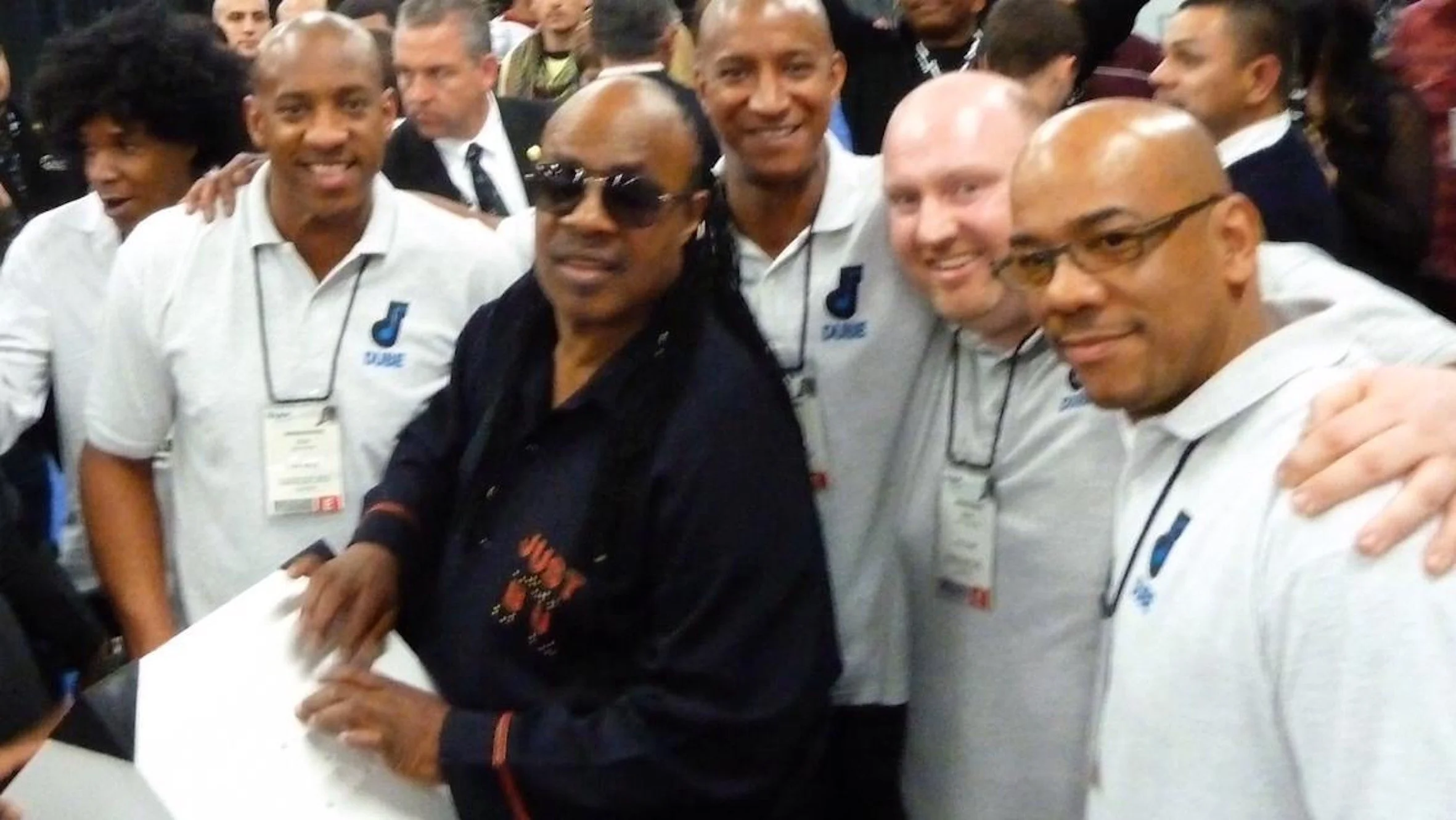
When I was at Norwich City about 18 years ago, I invented a percussion drum called the DUBE. It’s a big 12 inch square box, and every time you hit it, it gives you a different tone on each side. I’ve always been a natural percussionist, so the DUBE is very much a passion and something which I still feel has legs. Me and my best pal, Scotty exhibited it in L.A. at The Namm Show for multiple years. I’ve played with the best drummers in the world like Omar Hakim, Dave Weckl, Steve Gadd; they’ve all played the DUBE. My musical idol Stevie Wonder came over at the exhibition and played it too! That was definitely my musical pinch me moment.
Back to football, you played at top level for clubs like Manchester United and Aston Villa, what did a typical training routine look like during your playing days?
Early on, you would get to the training ground around 9am to train for 10am. We would prep and get breakfast then train for up to 2 hours both on and off the pitch.
Towards the end of my career, the goalkeepers were doing one thing, centre forwards doing another. It was very much segregated and position specific. If I started training at 10am, I’d have to be in for 8am to warm myself up before the warm up! My achilles and knees were gone so I would stand in a hot bath, warm everything up, go out half an hour before everybody else, do a run and then start the warm up.
The games themselves were easy, but recovery and training at that age was very difficult. As much as we had fun, when it came to training for game day, nothing got in the way. You were held accountable for your actions on and off the pitch by your teammates.
What was your training regime like with Sir Alex Ferguson? He’s got quite a reputation for being very strict.
The Gaffer was tough; he wasn’t a coach, he was very much a manager of men. He managed personalities incredibly well. If you speak to any players in and around Cheshire, they will not call him “Sir Alex”, “Alex” or “Mr. Ferguson”. They will say “The Gaffer”. I loved the strictness, the fear element. If The Gaffer walked in anywhere, you would change your persona, stand up straight and take your hands out of your pocket. That’s what he instilled in you: manners and respect. You did what you were paid to do. Blood, sweat and tears. That’s all he wanted. The Gaffer was a genius.
What was the England training camp like?
I was only involved for a couple of years when I was at Coventry, but the training was great.
To know the England manager had chosen you and to be able to wear the number 9 on your back and the 3 Lions on your chest, knowing that just for that moment, you are the best that the country has to offer, was an incredible feeling.
On decision day for the England World Cup squad, there was a board with our names listed and the order was Paul Ince, Dion Dublin then Gazza and we were each given 15 minutes with the manager. So, Paul went in first and was in there for about 20 minutes. He made sure he was going to the World Cup!
I got up to go into the room and Gazza said to me, “D, can I go in? I’m absolutely bursting here. I need to know what’s going on”. I said, “Gaz, no problem, you go in”. He went in and 15 seconds later, all we heard was crash, bang, wallop. Gazza wasn’t happy. He was so upset that he trashed the room and walked out. The manager’s decision not to take him, made his world crash.
I went in after Gaz and it was like a bomb site. The Gaffer then obviously told me I wasn’t going to the World Cup and I just shook his hand. I understood Gazza being upset, but people deal with things in different ways. Gazza was all emotion. It’s the way he played the game as well. My way of dealing with it was with emotional control. That was a moment in my career that I wish was different.
Following your successful career as a professional athlete, how did you maintain the transition from footballer to presenter?
I was fortunate to captain most of the clubs I was at and was always put forward for interviews. TV crews could see that I could talk. So for 3 years I was preparing for my retirement and at 39, Sky gave me a 3 year contract to do punditry, so I didn’t really have a transitional period, but I knew I didn’t want to coach or manage.
I moved to the BBC and I love it! It’s very interesting to switch off a sporting vocabulary and pick up a media vocabulary. It’s just about taking one hat off and putting a different one on.
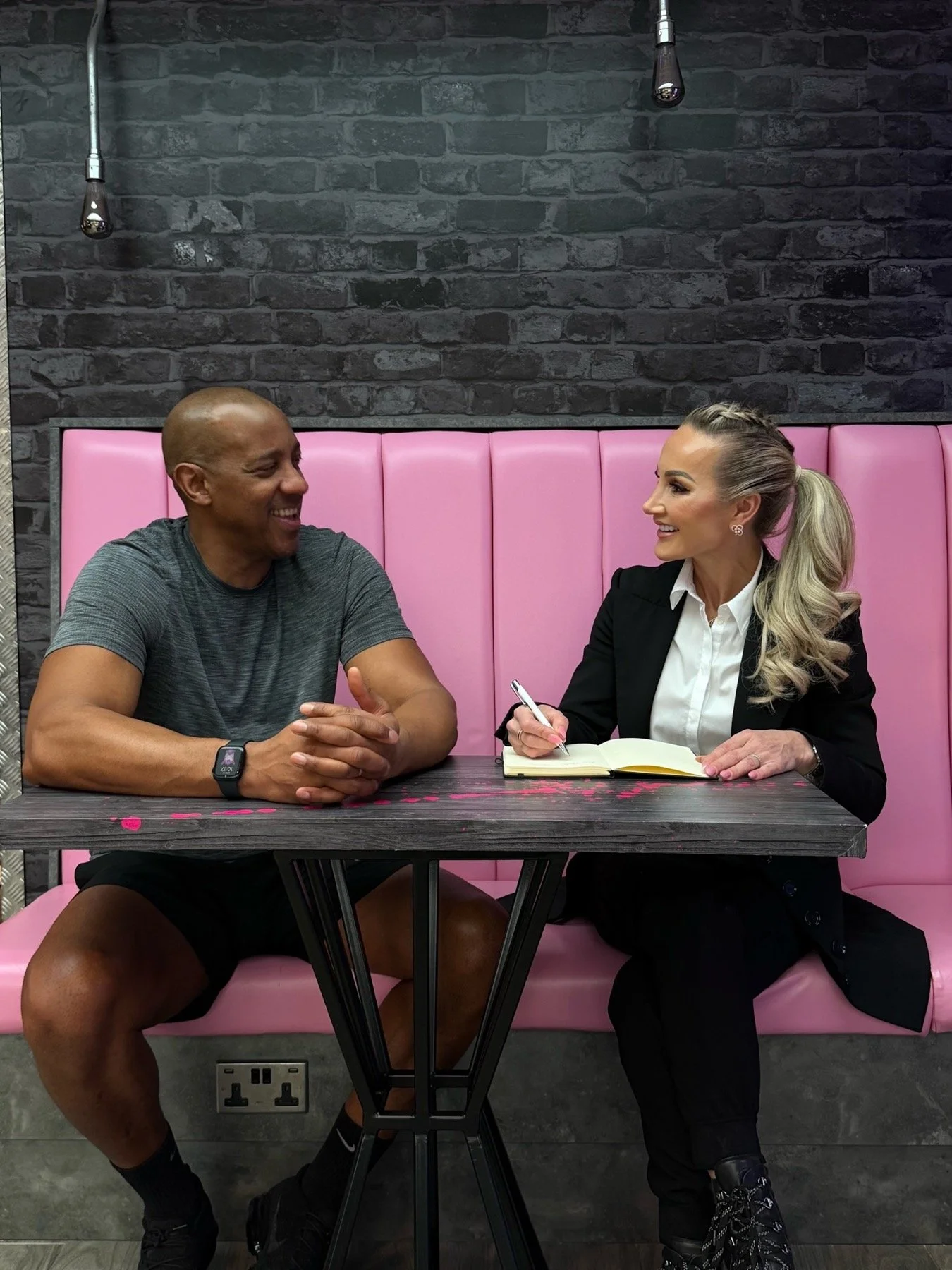
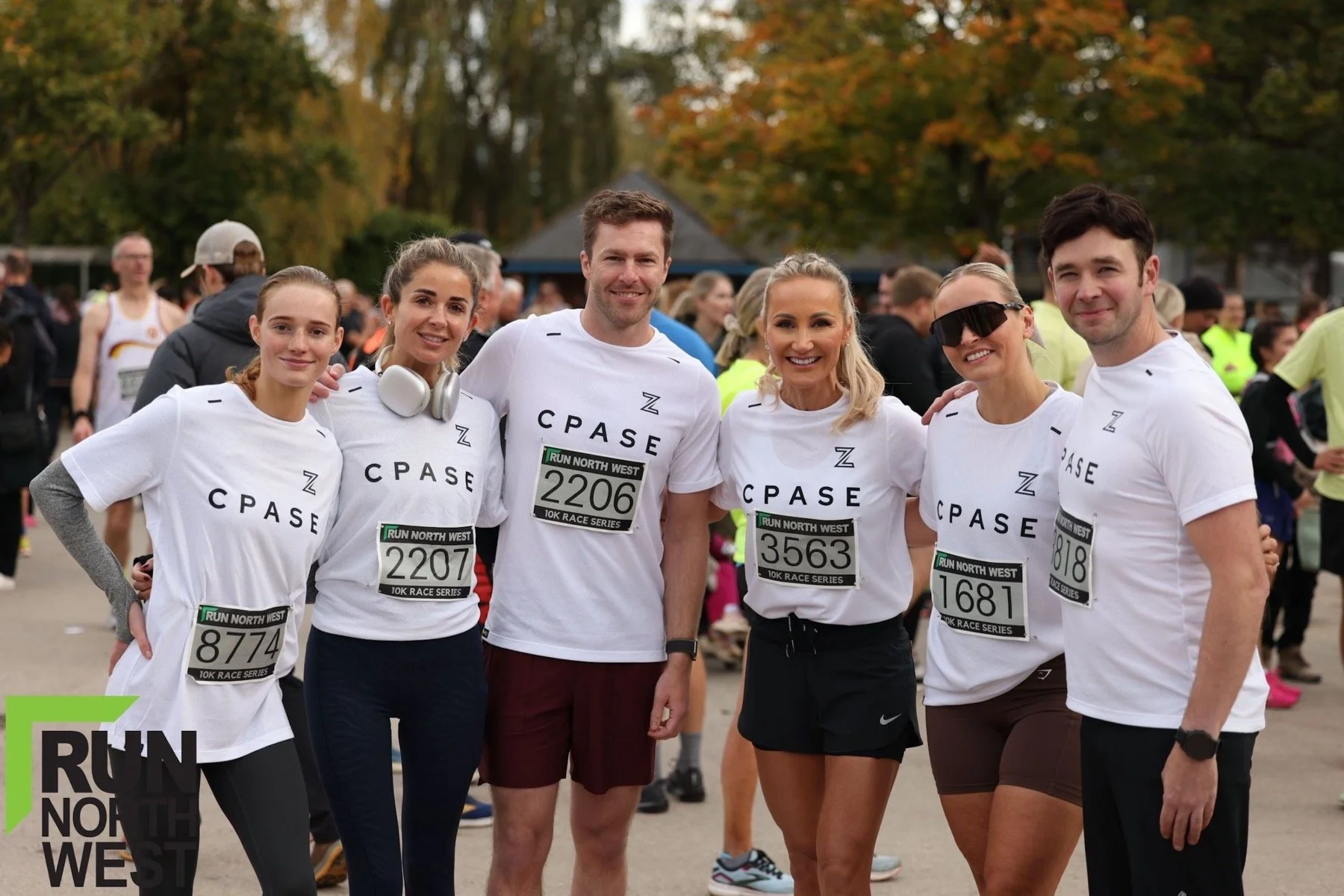
IMAGE: CPASE
Exercise is so important, even with a hectic schedule, as a valued member CPASE, what does your typical workout consist of? I notice you on the SkiErg a lot!
My approach to fitness now is rooted in consistency, prioritising cardiovascular health over short-term intensity.
People come to the gym to look a certain way and see a certain reflection. I’m not going to say I am different. I come in for that, but I come for the heart. It’s all about looking after the heart and keeping the heart working.
I use equipment where I don’t have to do a lot of twisting and turning with my legs.
CPASE is keeping me ticking over and the belly off! I split my workouts into 45 minutes cardio on equipment such as the SkiErg followed by 45 minutes of weight training. Depending on my work schedule, I’ll come every day.
What is your favourite part of working out?
I like sweating. I like the feeling of “I can’t do this, but I’m going to”. I like the pain of enhancement. I’m quite motivated by enhancing my fitness.
Do you follow a healthy diet? You’ve been quoted as saying your favourite saying is, “burn energy to gain energy.”
I don’t follow a diet of sorts and the balance in my life is going to the gym.
If you’re going to do a gym session, you get a boost in your energy to use for the rest of your day. I don’t count calories, but I don’t eat badly. I love good meat, fish and vegetables.
I take Game Ready, Professional Athlete Supplementation (PAS) by Darren Campbell pre-workout. During my workout I drink electrolytes. Post workout, I’ll have a protein shake or fruit. In my car, I have nuts, apples and sweets like Jelly Babies as they disintegrate quickly meaning I can burn them off quickly.
Tell us about your coconut butter regime, because mutual friend Big Dave said that you look like a shiny disco ball.
Oh dear Dave, what have you done to me? I use Palmer’s Cocoa Butter all the time, every day, everywhere! I think it’s good to moisturise, my skin gets pretty dry.
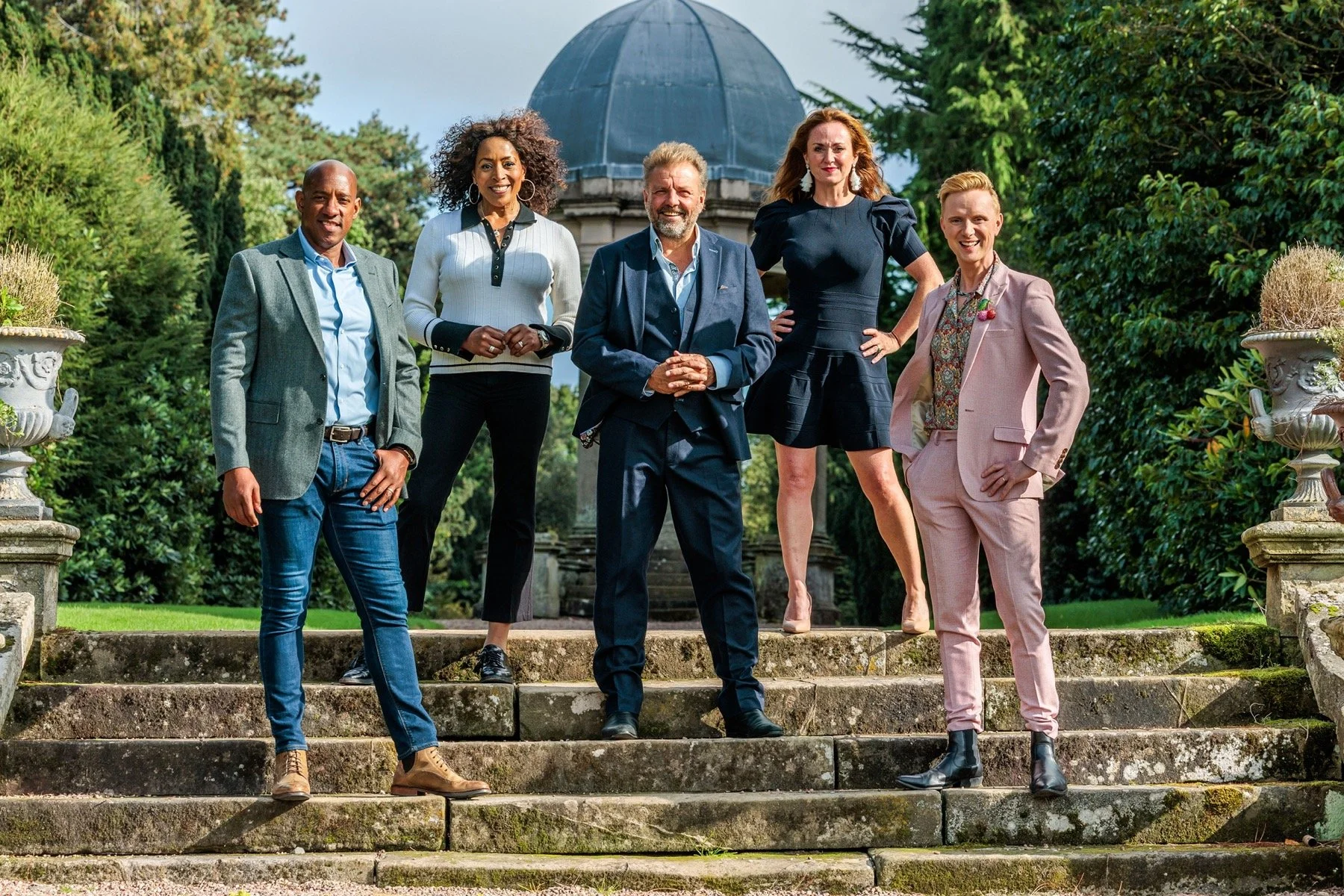
IMAGE: BBC Pictures
You present Homes Under The Hammer. How did you get into that?
I kept a house in Alderley Edge from 1992 when I moved to Coventry City. I bought some houses in and around Coventry and then I moved to Aston Villa and bought some houses in and around Warwickshire and the Cotswolds. I realised I had a portfolio of houses by mistake, I didn’t do it on purpose. I rented everything out and thought that was bringing in an income. I started to act on it and add to my portfolio. Homes Under The Hammer must have done their research and thought - he loves his property, he talks a bit on the TV, let’s ask him if he fancies doing a bit of this. They gave me an empty house in Salford with a cameraman and asked me to tell them what I saw. I’m still doing it 10 years later.
What advice would you give to a 16 year old starting their career?
My 16 year old self did what I am going to advise - be willing to make sacrifices if you want to achieve your goals. If you do things too fast, you can make mistakes, which set you back. But if you take your time and you’re methodical and careful with it, to achieve what you want to achieve, you’ll get a step up on the ladder.
I was brought up on a council estate in Leicester. I like being able to speak to people openly and tell people about what it takes to stay there and what I’ve had to sacrifice. I enjoyed my life as a footballer and now I’m just enjoying life as a human being. Check in on people; a little WhatsApp or call, “How are you doing? Is everything okay?” Even if you haven’t spoken for years, just give them a shout. Small, consistent things make the biggest difference.

Hungry for more?
Read up on the latest news, delicious eats, travel treats and seasonal style trends in FEATURES, or browse a curated selection of our FEATURED PRODUCTS, meander through our guide to the finest things to do in Cheshire and beyond in WHATS ON or partake in our COMPETITIONS.
About The CHESHIRE Magazine
We are the definitive guide to luxury lifestyle in the North West. Latest news, delicious eats, travel treats and seasonal style trends. The Cheshire Magazine is the largest luxury lifestyle title for the North West of England, dropping directly through the letterboxes of VIP subscribers from the Wirral to Greater Manchester plus all the villages and towns in between and digitally available as a subscription in print and digital on issuu.com worldwide. We specialise in connecting luxury brands to likeminded consumers.
If you are interested on how you can partner with The CHESHIRE Magazine, read more about us. Or get in touch to find out more about marketing, featuring or partnering with the Cheshire Magazine in print or online.