


From Bedroom Wall to Investment Portfolio
David Spickett, CEO and Co-Founder, TheCarCrowd on why the cars billionaires collect are capturing a new generation
There is a generation of enthusiasts in their thirties and forties right now who grew up with a very specific set of cars on their bedroom walls. A Lamborghini Diablo. A Ferrari F40. A Porsche Carrera GT. These weren't just machines. They were cultural totems: objects of pure desire that shaped how a whole generation thought about speed, design and aspiration.
What's happening in the collector car market right now is, in many ways, those same people catching up with their younger selves.
I've spent the last decade watching this shift happen in real time, and the trajectory is clear. The analogue supercars of the late 1980s, '90s and early 2000s, built before electronic driver aids, hybrid technology, and full-width touch screens reshaped the industry, are moving from enthusiast purchases to serious investment assets. And the speed of that transition is accelerating.
For the first time, that opportunity is genuinely open to more than just the ultra-wealthy. Through fractional ownership, enthusiasts can now access CGT-free returns on investment-grade collector cars, alongside the events, experiences and community that were once the exclusive preserve of collectors like Ralph Lauren, Jay Leno, Elon Musk and the Sultan of Brunei.

Why analogue matters
To understand why these particular cars are capturing so much attention, you have to understand what makes them different from what came after.
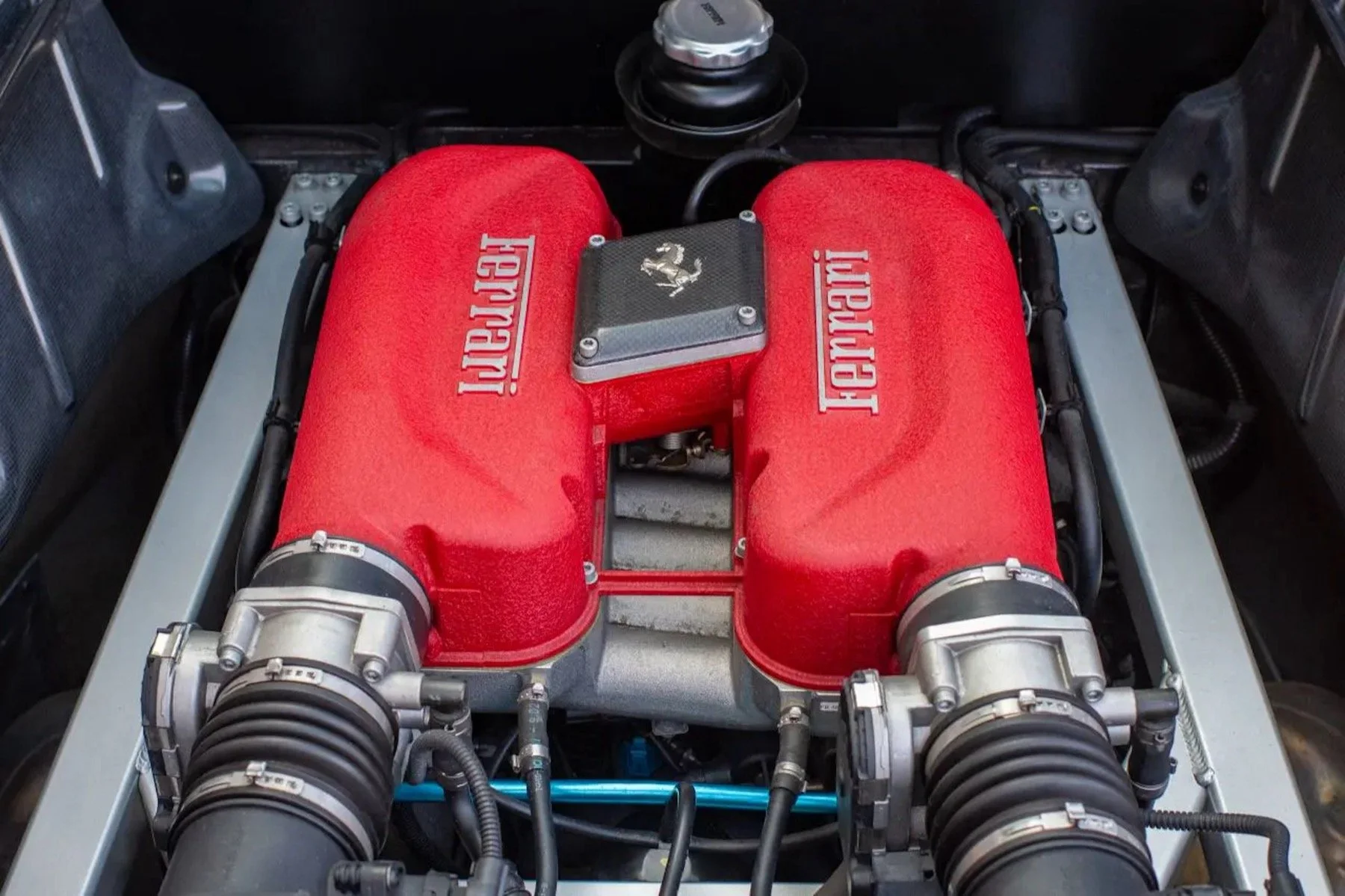
A Ferrari 360 Challenge Stradale, for example, is a car that communicates entirely through sensation. The naturally aspirated V8 screams to 9,000 revs. The steering tells you everything about the road beneath you. There is no safety net between driver and machine. It is, by any measure, a purer experience than almost anything built in the decade that followed.
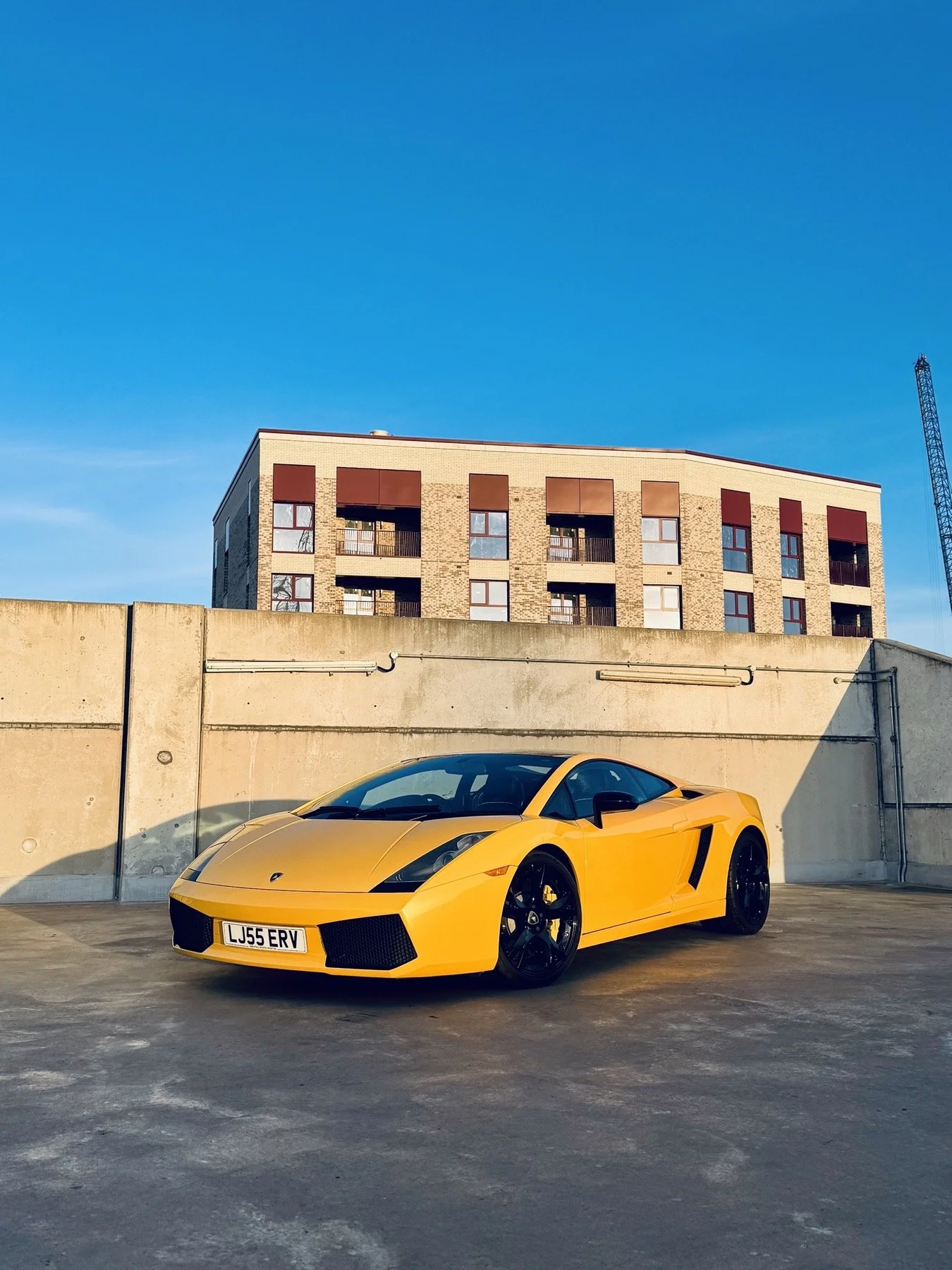
The same is true of the Lamborghini Diablo VT Roadster, the last Lamborghini before Audi's ownership fundamentally changed the marque's character. It is raw, theatrical, deeply mechanical, and built in tiny numbers. We recently acquired a 1997 example, one of just 16 right-hand-drive Roadsters ever produced with the iconic pop-up headlights, and one of only 5 registered in the UK. That level of rarity, combined with a V12 that still has no modern equivalent, is exactly the kind of combination the market rewards.
The Ferrari 360 Challenge Stradale is another example that illustrates this perfectly. When TheCarCrowd exited our syndicate holding, we listed the asset at a price equating to 70% return after a one-month hold. The market for the best analogue Ferraris has moved sharply, and the collectors who recognised that early have benefited enormously.
What makes a car truly collectable
For me, a car becomes truly collectable when it makes you feel something. It's the way it looks, the noise it makes, even the smell when you open the door. It takes you back to a poster on the bedroom wall, a film you watched as a kid, or the first time you saw one in the wild and just stopped in your tracks. That passion is what creates demand. Then, when the cars everyone loves become genuinely hard to find, whether because they were built in tiny numbers or because so many disappeared over time, that's when you get the magic recipe: emotion, nostalgia, cultural relevance and real scarcity.
At TheCarCrowd, we've built our investment thesis around exactly that framework. We look for cars with genuine cult status, rarity, provenance and what we call timing: the point at which demand from wealthy 35-55-year-old collectors who grew up with these cars starts to outpace supply. We also favour what we call end-of-era cars: the final and most extreme version of a configuration, drivetrain, or design language before regulations or ownership changes permanently alter the formula.
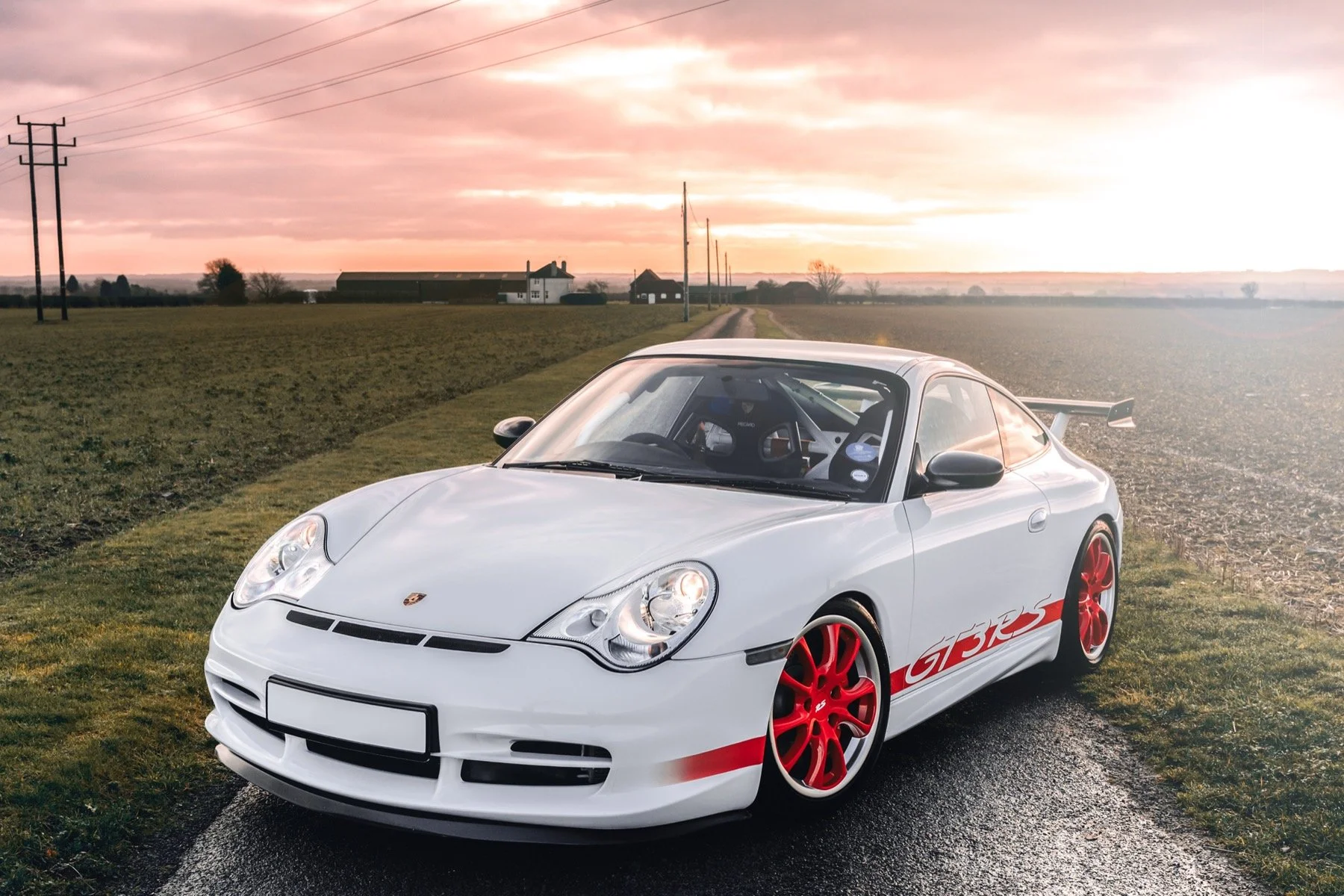
The Diablo VT Roadster is a textbook example. The Porsche 996 GT3 RS, another car on our radar, is another. These aren't just collector cars. They represent the closing chapter of an era that cannot be recreated.

How the market is evolving
The collector car market has matured significantly. The global collector car market was valued at over $45 billion in 2024 and is projected to reach $82 billion by 2033. And yet, for the vast majority of enthusiasts, this market has remained completely out of reach.
What is particularly striking about the current moment is where the strength is concentrated. Broader market indices softened in 2024 and 2025 as post-pandemic speculation unwound, but the segment we focus on, 1990s and early 2000s analogue supercars, told a different story. Hagerty's RADindex, which tracks collectable vehicles from the 1980s and 1990s, posted gains in Q1 2025 while other segments declined. At auction, 36% of 1990s cars sold above their top estimates. The cars with genuine rarity, provenance and cultural significance continued to find serious buyers. In a market becoming more selective, quality and scarcity are being rewarded more than ever.
The barrier is straightforward. The cars that matter, the ones with genuine rarity, provenance and appreciation potential, routinely trade at £300,000, £500,000 or well beyond £1 million. That puts them firmly in the hands of a small number of ultra-high-net-worth private collectors, often operating through closed networks, personal relationships and specialist dealers that most people will never have access to. The enthusiast who knows exactly why a particular car matters, who has followed the market for years and instinctively understands the opportunity, has historically had no route in.
What was once a world dominated by those deep-pocketed private buyers is now becoming more transparent, more data-driven and, critically, more accessible. Classic cars also offer something most investments cannot: they are exempt from Capital Gains Tax for UK investors under HMRC's chattel and wasting asset rules. In a high-tax environment, that matters enormously.
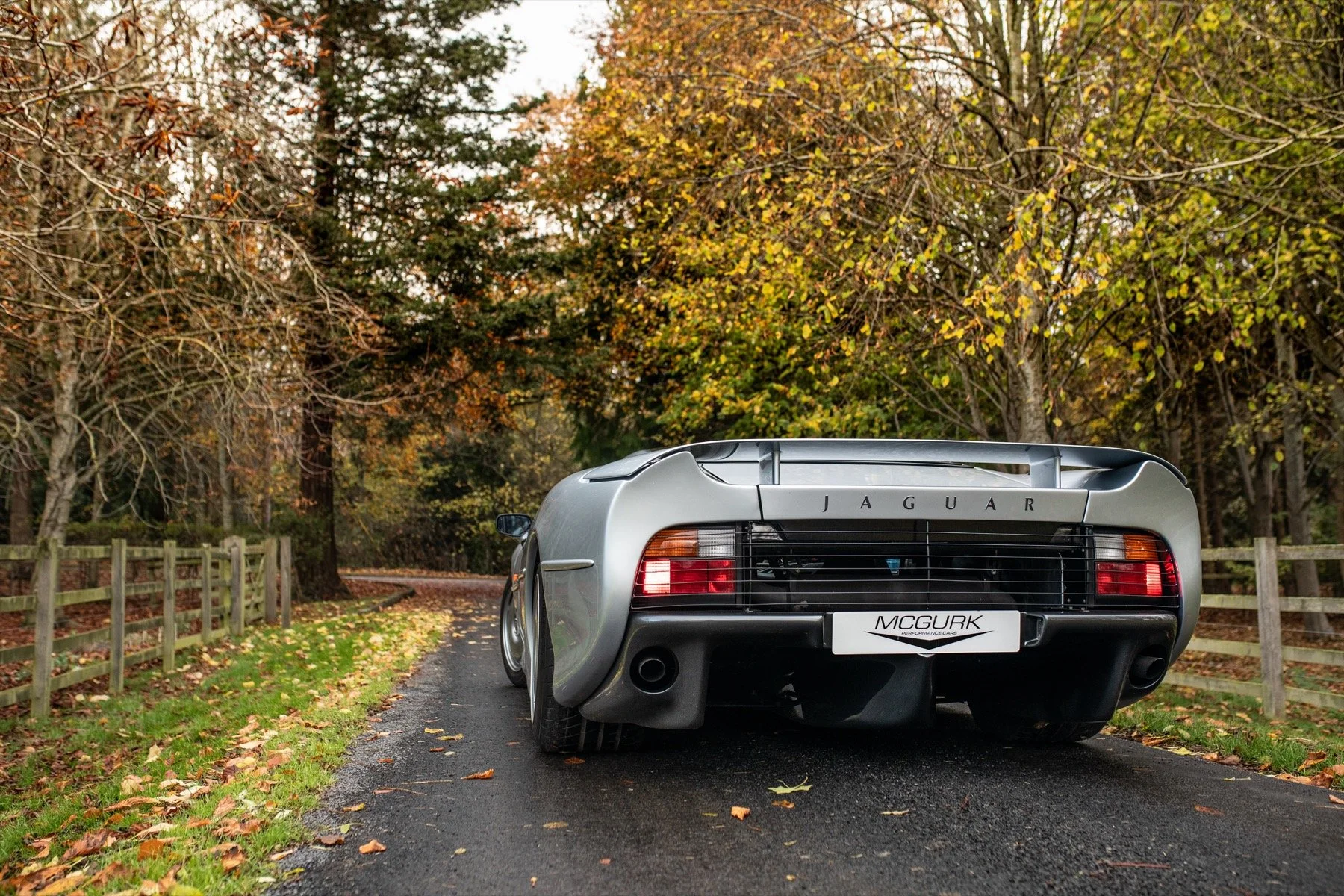
We're also seeing a generational shift in who is buying. Younger collectors, people in their mid-thirties to early fifties who earned their wealth in finance, tech and professional services, are approaching these cars with the same analytical rigour they apply to any investment. They want data. They want provenance - like documentation showing Rod Stewart was the first owner of an award-winning Jaguar XJ220. They want to understand the market dynamics before they commit capital. And increasingly, they want to own a piece of a genuinely exceptional car rather than compromise on something within their individual budget.
That last point is where TheCarCrowd comes in.

Opening the door
Our model is straightforward. We acquire investment-grade collector cars that meet our strict curation criteria for rarity, condition, cultural significance and appreciation potential, and we structure syndicated ownership through a bare trust structure with legal support from Eversheds Sutherland. Allocations start from £2,000, and members own a genuine fractional stake in the asset.
We've also recently partnered with Supercar Driver, one of the UK's most respected performance car communities, to launch the Modern Classics Collection: a curated portfolio of the defining supercars of the millennium era, selected with community input and structured through TheCarCrowd platform. The Ferrari 360 Challenge Stradale, the Lamborghini Diablo and the Jaguar XJ220 are the opening chapters. There is much more to come.
Find out more at thecarcrowd.uk
Hungry for more?
Read up on the latest news, delicious eats, travel treats and seasonal style trends in FEATURES, or browse a curated selection of our FEATURED PRODUCTS, meander through our guide to the finest things to do in Cheshire and beyond in WHATS ON or partake in our COMPETITIONS.
About The CHESHIRE Magazine
We are the definitive guide to luxury lifestyle in the North West. Latest news, delicious eats, travel treats and seasonal style trends. The Cheshire Magazine is the largest luxury lifestyle title for the North West of England, dropping directly through the letterboxes of VIP subscribers from the Wirral to Greater Manchester plus all the villages and towns in between and digitally available as a subscription in print and digital on issuu.com worldwide. We specialise in connecting luxury brands to likeminded consumers.
If you are interested on how you can partner with The CHESHIRE Magazine, read more about us. Or get in touch to find out more about marketing, featuring or partnering with the Cheshire Magazine in print or online.