
Switching Off - The Return of Analogue Interiors
From concealed technology to the revival of the sitting room, Caroline Milns, Head of Interior Design at Zulufish discusses how a cultural shift towards digital detoxing is reshaping contemporary interiors
As digital wellbeing becomes an increasingly important priority for households, we at Zulufish are witnessing a notable shift in how families inhabit and interact with their homes. More clients are choosing to consciously reduce phone and screen use in the shared, communal spaces of the home, seeking instead spaces that foster meaningful, screen-free moments. Whether it is a quiet corner for reading, a dedicated space for conversation, or an evening spent playing board games, these intentional environments allow people to reset, reconnect, and enjoy the sense of presence that so often can feel elusive in today’s digital world. This cultural shift is increasingly shaping contemporary interior design, with clients requesting homes that move away from device-led living and instead emphasise connection, comfort and time with friends and family.
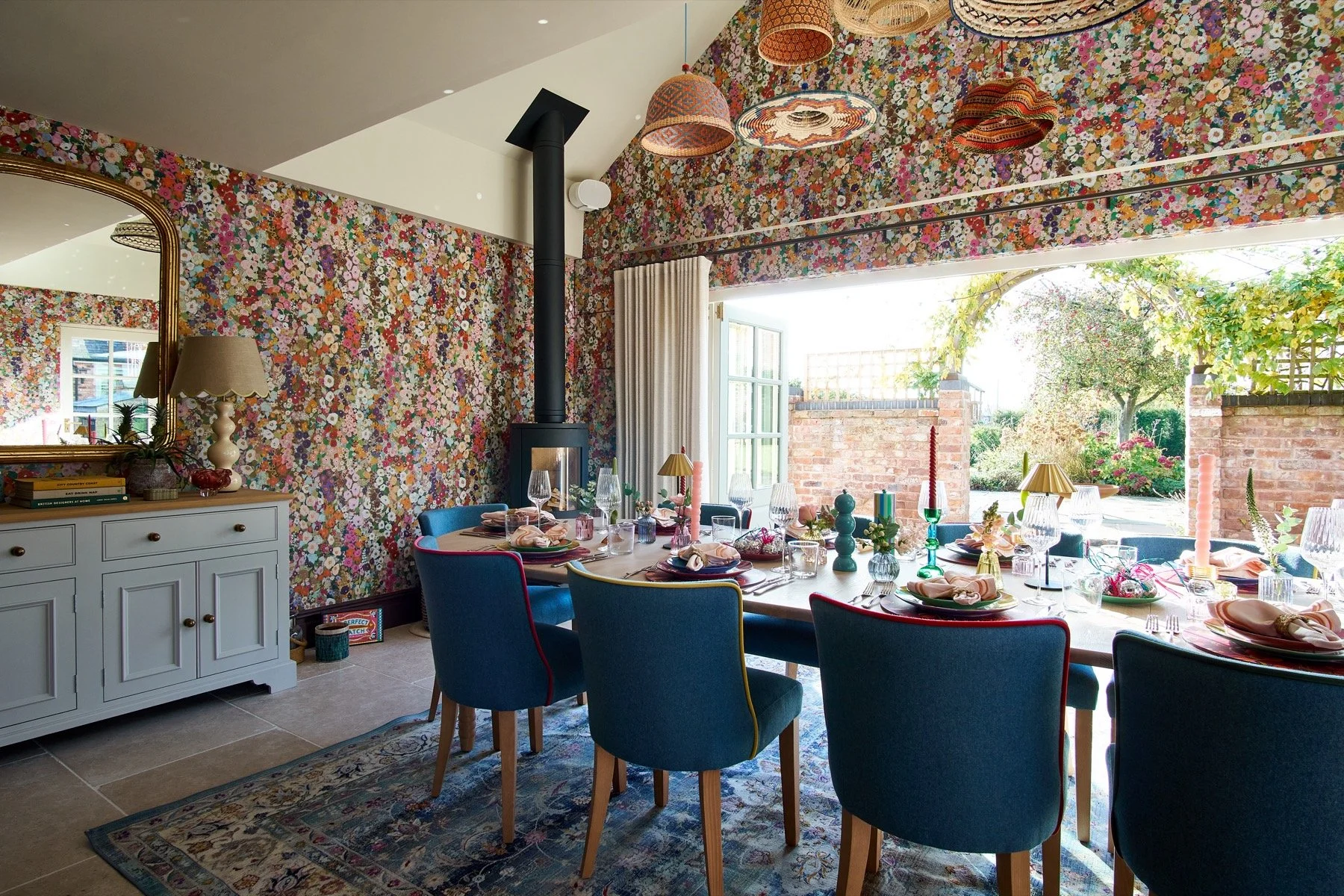
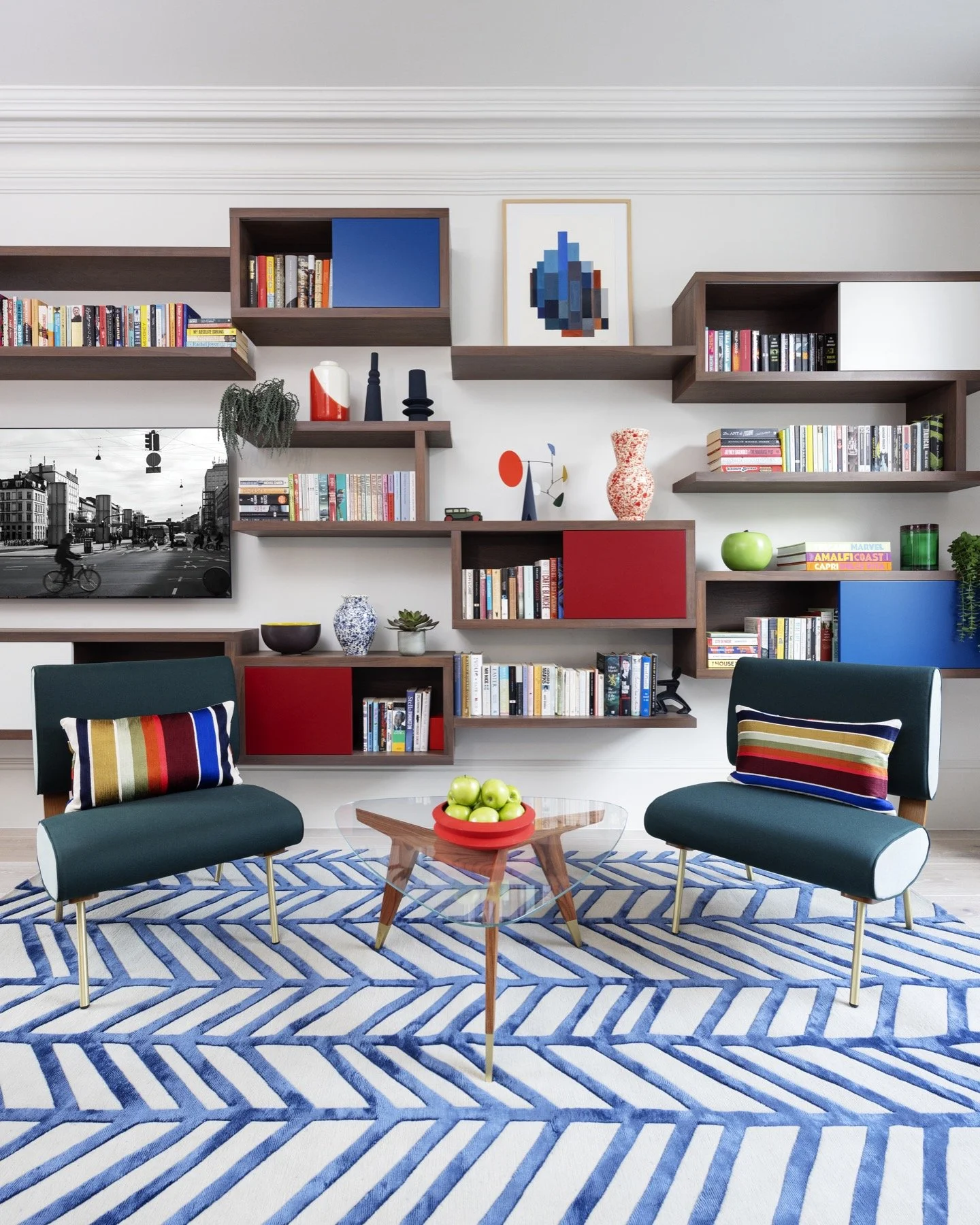
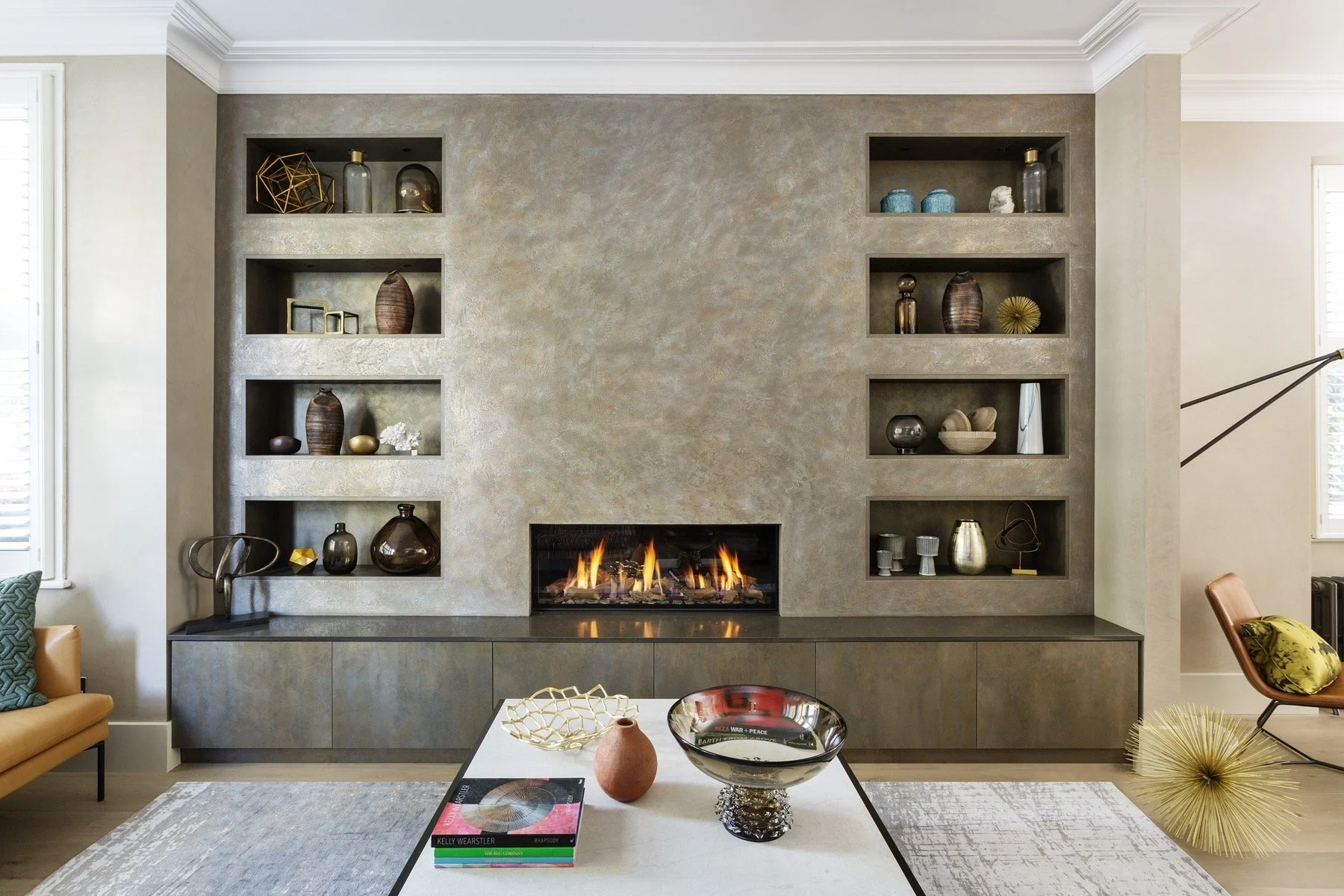
We are seeing a particularly interesting evolution in the way living spaces are conceived. Rooms that were once dominated by a television are being reimagined as sociable, conversation-focused areas. Sofas and armchairs are arranged to face one another, creating an intimacy that encourages dialogue and interaction, rather than passive viewing. When clients do desire a television, it is often discreetly concealed within bespoke cabinetry or integrated through art display technology such as Samsung’s ‘The Frame’ television. In homes with multiple reception rooms, the television is frequently relocated to snugs or dedicated cinema rooms, which are on the rise in popularity, allowing the main sitting or living room to exist as a screen-free sanctuary. These spaces can be simultaneously functional for family life and can become sophisticated rooms for entertaining, with walls transformed into libraries, curated galleries of collected artwork pieces, or displays of treasured objects. It is a considered revival of the traditional sitting room, which in recent years has been overshadowed by open plan layouts and media-driven family zones, now emerging as an intimate, purposeful setting.
Even smaller changes can make a profound impact on the energy of a room. A quiet corner anchored by a favourite armchair, a textured rug, and a softly glowing table lamp will create a retreat-like environment, inviting family members to pause and truly switch off. With the focal point no longer a screen, there is a renewed focus on architectural and artistic features that lend permanence and character to a space, from sculptural fireplaces to statement artwork, bespoke joinery, and carefully framed views. Additionally, with wellbeing so intrinsically linked to the outdoors and nature, we’re seeing more clients replace solid walls with Crittall-style glazing, allowing views to flow through the house. In a recent full-house refurbishment of a London townhouse, we designed almost the entire ground floor to be defined by Crittall partitions, creating distinct rooms while maintaining open sightlines, a sense of connectivity across the floor, and continuous views of the garden beyond. As screen-free interiors become a growing priority, this kind of design approach encourages people to engage with their surroundings.
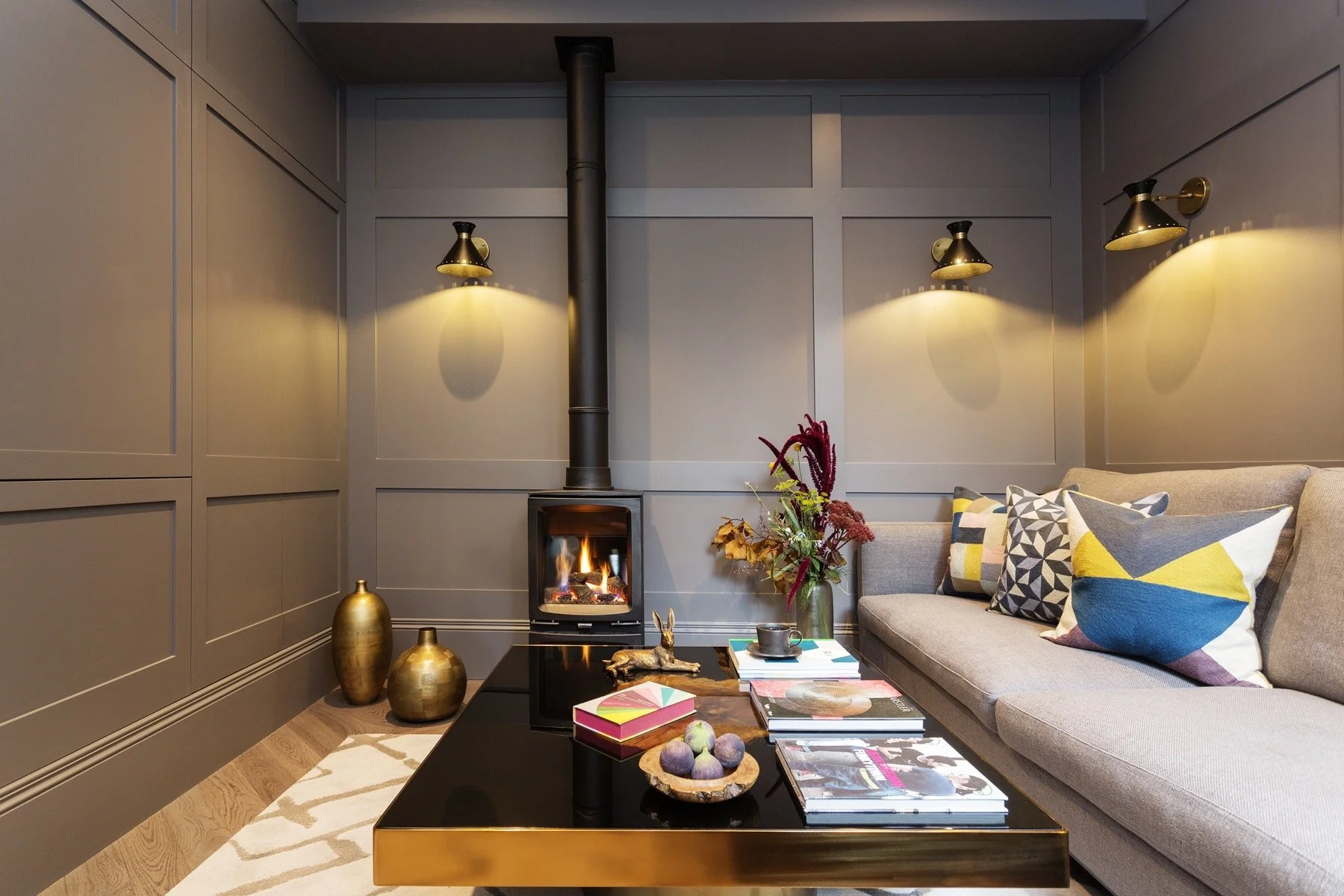
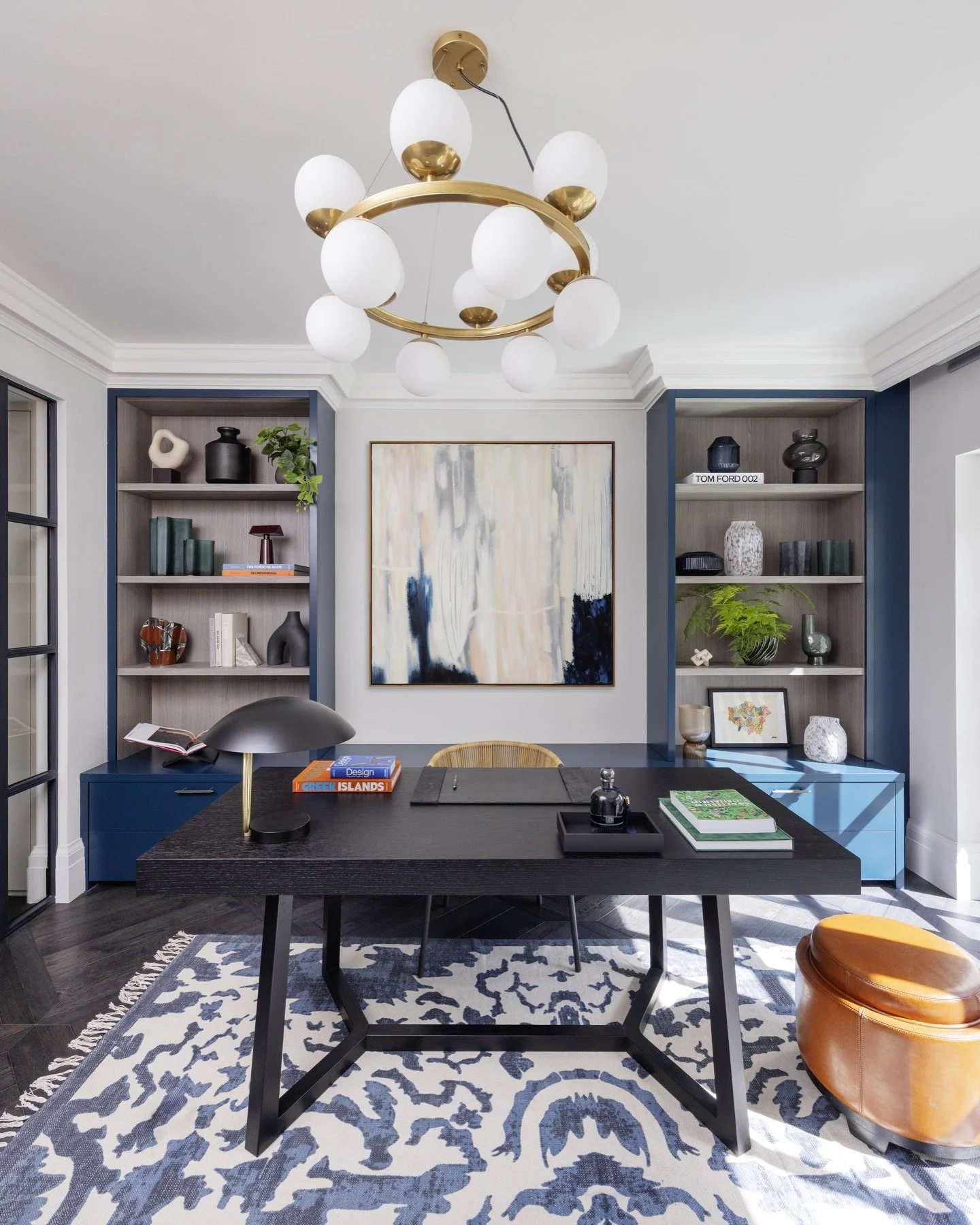
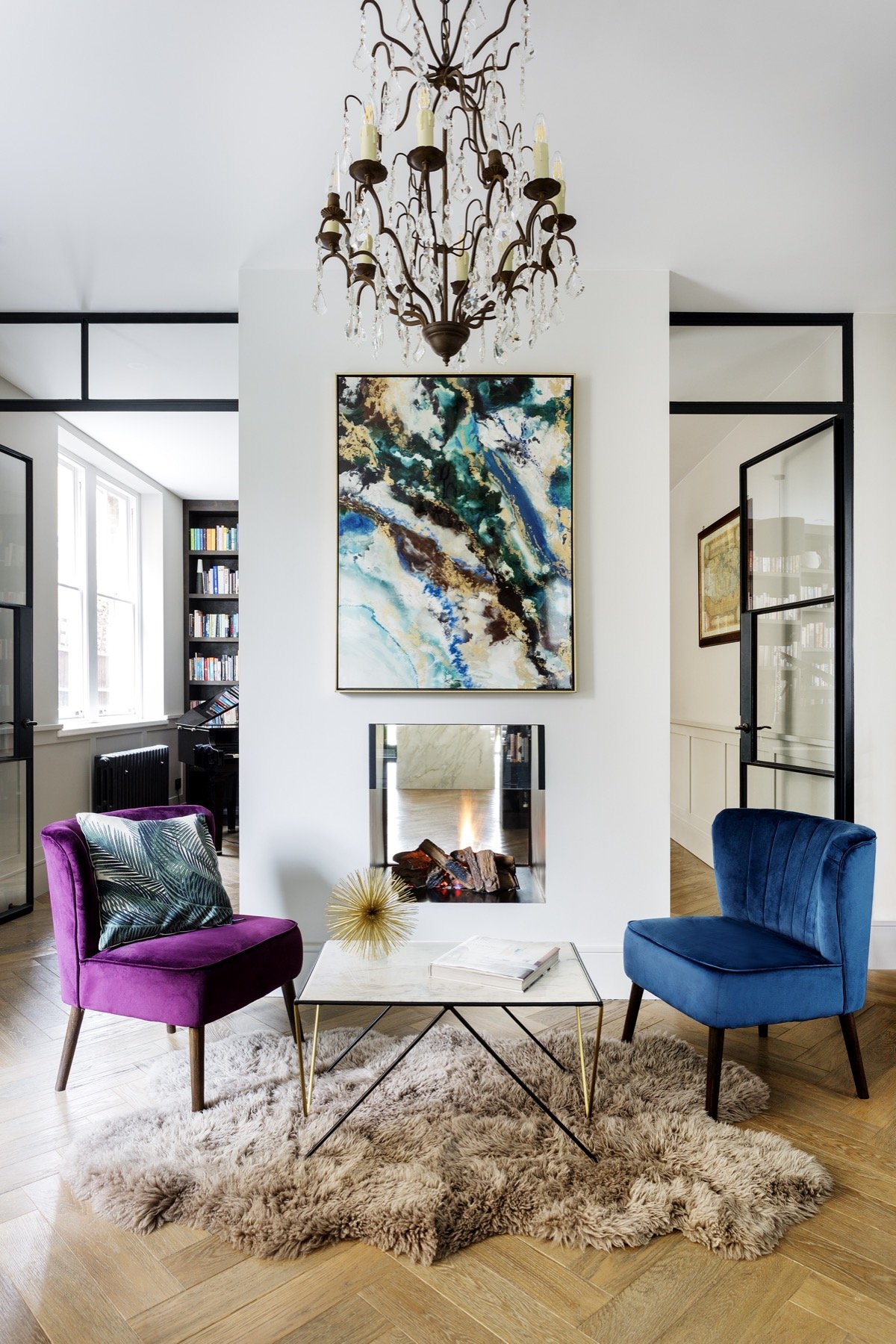
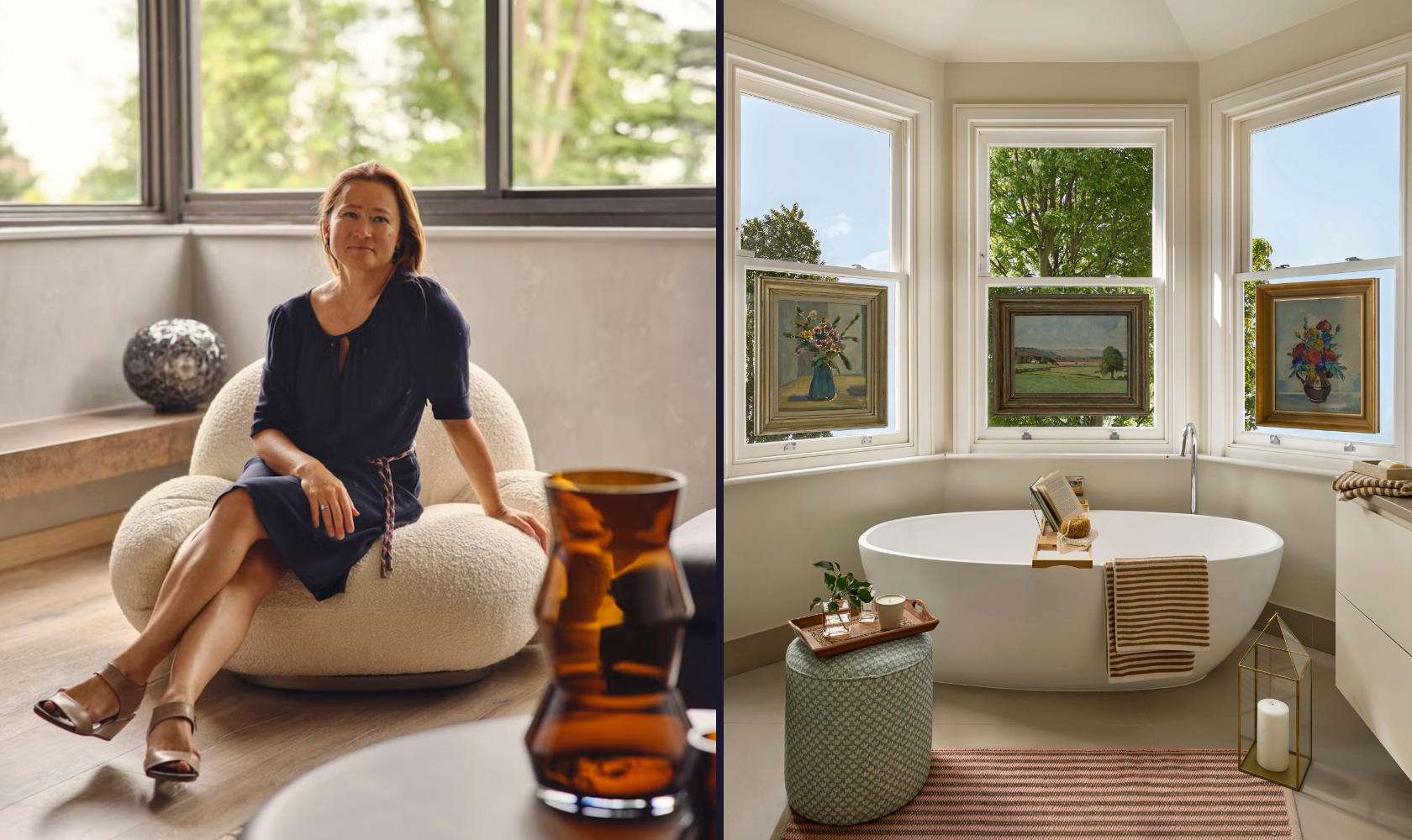
Furniture choices are central to this shift to screen-free living. Larger, purposeful coffee tables are making a welcome return as anchors for board games, jigsaws, piles of favourite books and relaxed family evenings. Upholstered ottomans, with their versatility and hidden storage, are equally popular, functioning as additional seating, a casual table, or a decorative focal point with textured fabrics, stripes, or floral patterns. Sofas are chosen not only for comfort but for their ability to foster interaction. Lower profiles allow for open sight lines, deep seats encourage settling in, and refined upholstery invites extended, comfortable use. Layered textures, including timber, stone, linen, and boucle, introduce tactile richness, replacing digital stimulation with sensory engagement.
Lighting is another subtle yet transformative tool in cultivating screen-free, welcoming interiors. Layered lighting schemes, incorporating discreet picture lights, softly illuminated shelving, and coffered ceilings inset with gentle LED accents, create depth, warmth, and visual interest. Ambient lighting supplants harsh overhead fixtures, establishing a mood that feels intimate, restorative, and conducive to connection. Thoughtful lighting subtly guides attention towards human interaction and the objects and artworks that give a home its personality.
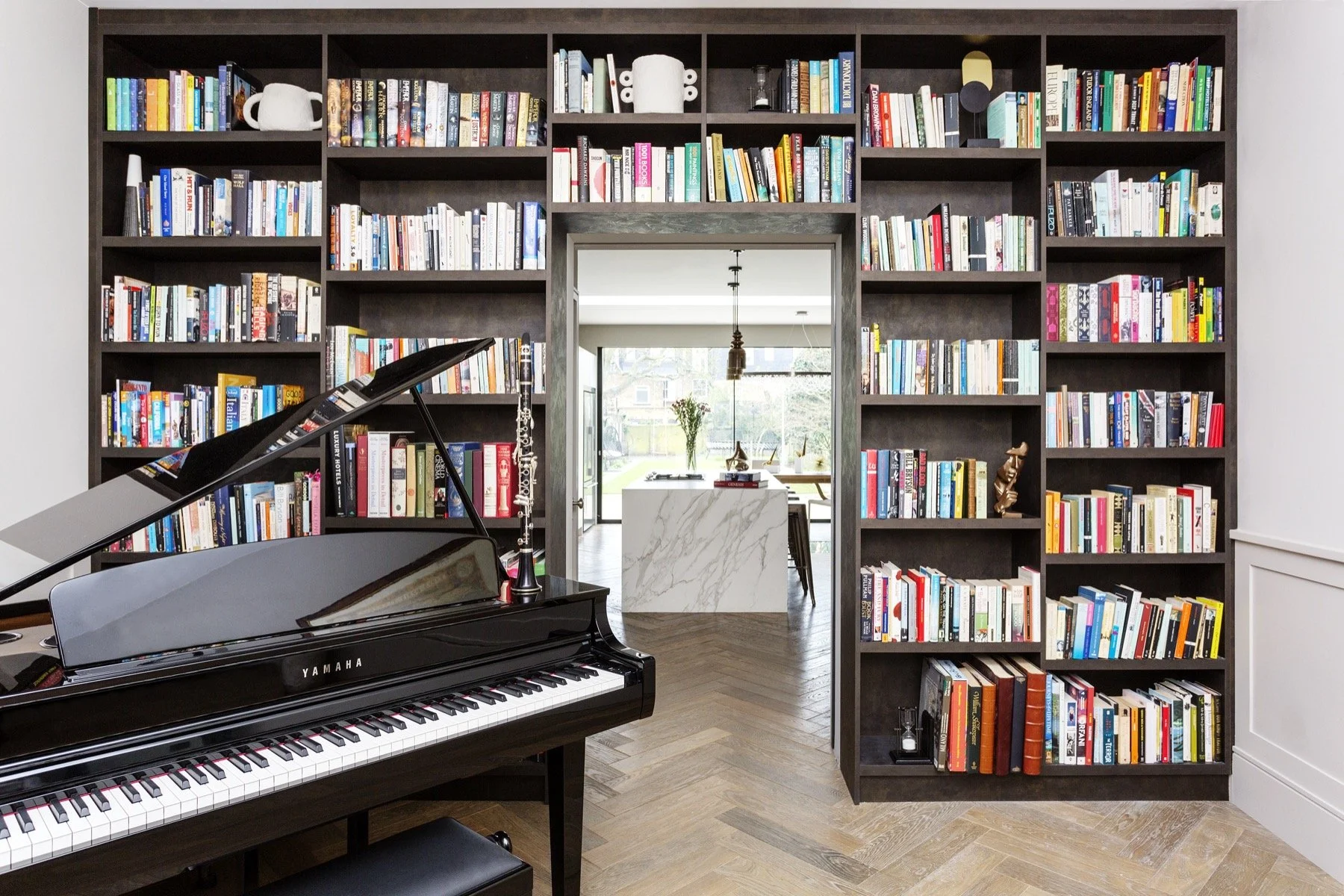
It isn’t just the reception rooms that have evolved; interiors now feature thoughtfully zoned and defined spaces. Spare bedrooms, once used as home offices and now largely redundant with many having returned to the office, are finding a new lease of life. Dedicated music rooms with vinyl collections offer a welcome counterbalance to digital life, creative retreats provide space to enjoy hobbies such as beautifully organised sewing areas, and home libraries create quiet sanctuaries to relax and unwind. In one home we designed for a client, we installed a library wall that extended across the entire side of the room, continuing above the doorway to the kitchen. The room houses their grand piano, and the library wall provides valuable acoustic benefits, as well as creating a wonderful space to retreat to.
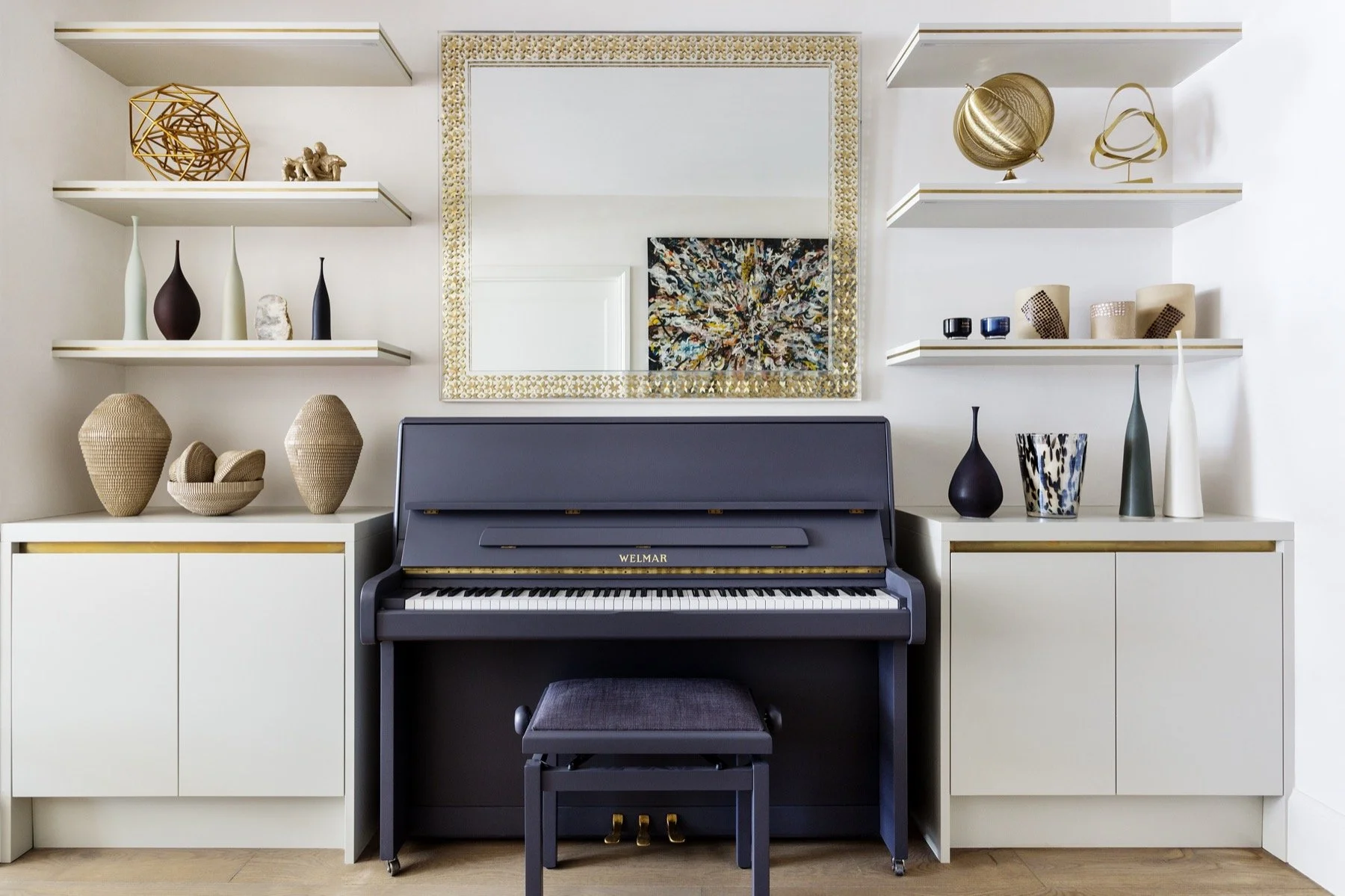
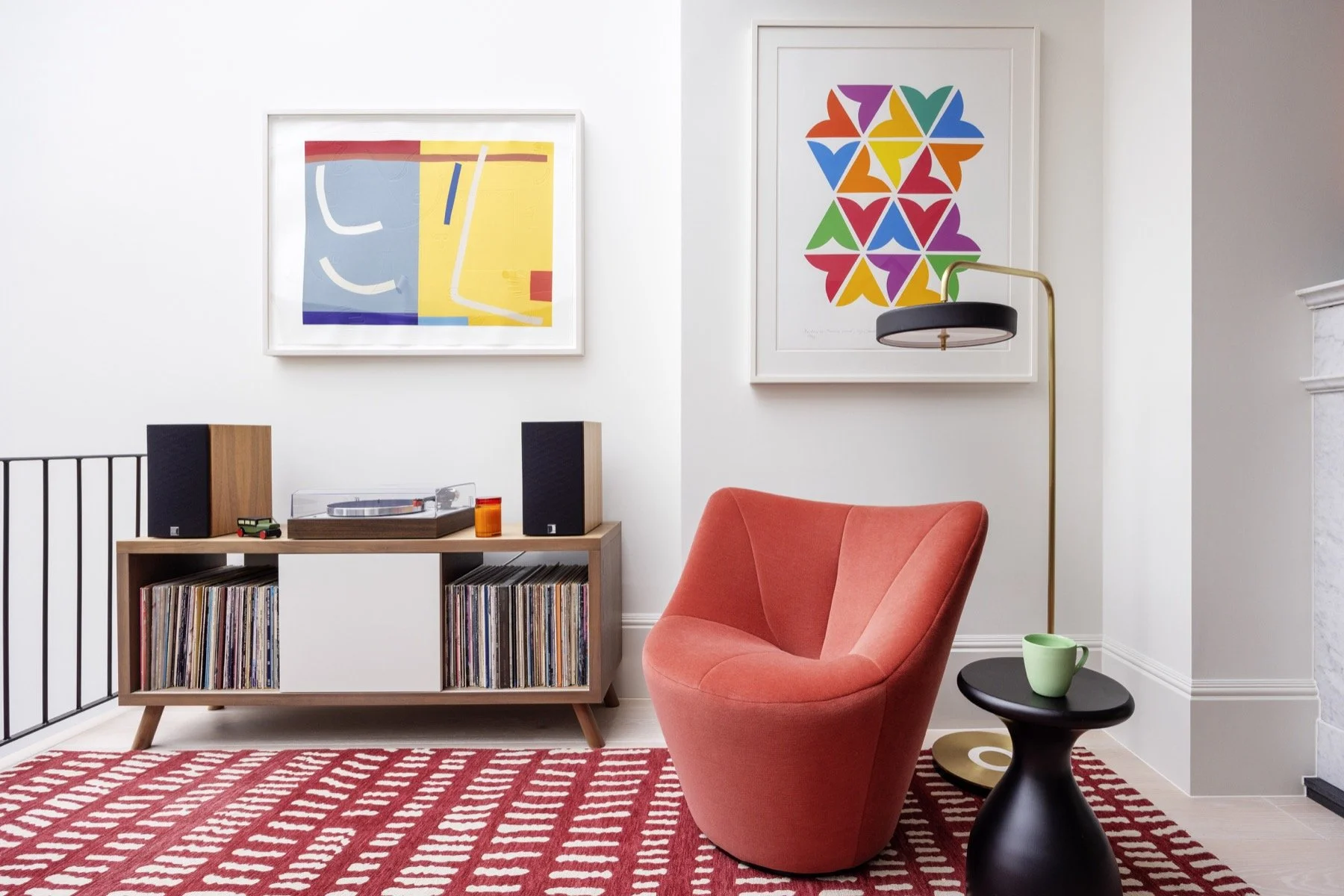
These spaces encourage activities that are immersive, tactile, and inherently rewarding, offering a welcome antidote to screen-based life. They don’t always need to be created as separate rooms; if space is limited, niches can be cleverly incorporated throughout the home, with bespoke joinery providing smart design and storage solutions.
This evolution in design reflects more than a passing trend. It speaks to a deeper cultural desire for homes that actively nurture wellbeing. Clients are seeking interiors that support family connection, offer meaningful respite from constant connectivity, and encourage a slower, more intentional rhythm of life. By rethinking layouts, furniture, materials, and lighting with presence in mind, we can create homes that are not only visually beautiful but emotionally rewarding. These interiors allow people to engage with each other and with their surroundings in a way that is enriching, restorative, and quietly luxurious.
Hungry for more?
Read up on the latest news, delicious eats, travel treats and seasonal style trends in FEATURES, or browse a curated selection of our FEATURED PRODUCTS, meander through our guide to the finest things to do in Cheshire and beyond in WHATS ON or partake in our COMPETITIONS.
About The CHESHIRE Magazine
We are the definitive guide to luxury lifestyle in the North West. Latest news, delicious eats, travel treats and seasonal style trends. The Cheshire Magazine is the largest luxury lifestyle title for the North West of England, dropping directly through the letterboxes of VIP subscribers from the Wirral to Greater Manchester plus all the villages and towns in between and digitally available as a subscription in print and digital on issuu.com worldwide. We specialise in connecting luxury brands to likeminded consumers.
If you are interested on how you can partner with The CHESHIRE Magazine, read more about us. Or get in touch to find out more about marketing, featuring or partnering with the Cheshire Magazine in print or online.