
Why London’s Most Interesting Dining Rooms Are No Longer Just Restaurants
From collectible design and contemporary art to seasonal dining and cultural programming, Pollini at Ladbroke Hall exemplifies a new generation of destinations where guests come for far more than a meal
A dinner reservation used to be just that: a table, a menu, and perhaps a well-designed room.
Today, London’s most compelling hospitality destinations are offering something altogether different. Increasingly, restaurants are becoming cultural spaces, galleries are evolving into social hubs, and design destinations are embracing hospitality as a way of bringing their worlds to life. The result is a new generation of experiences that blur the boundaries between dining, art, architecture, and entertainment.
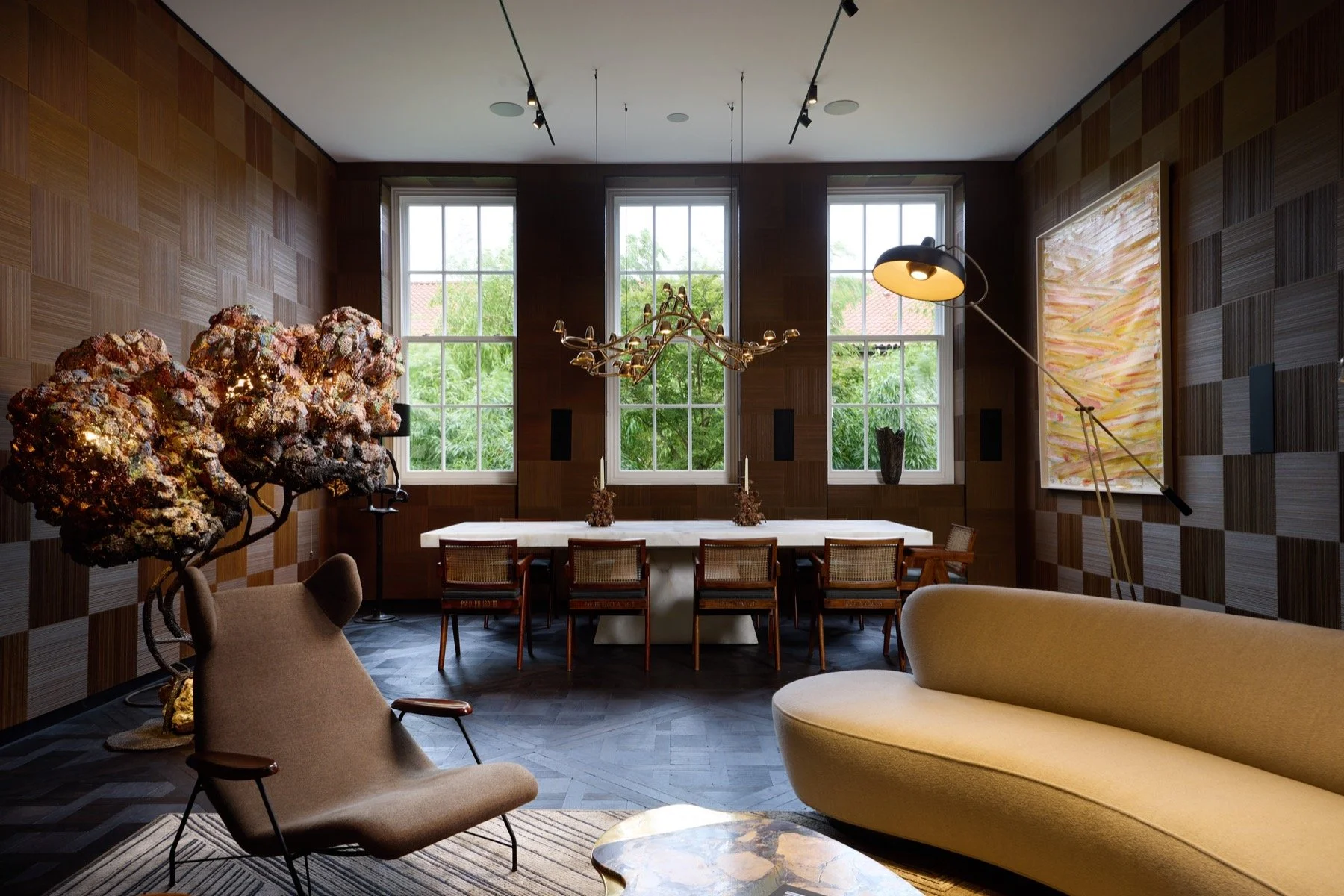
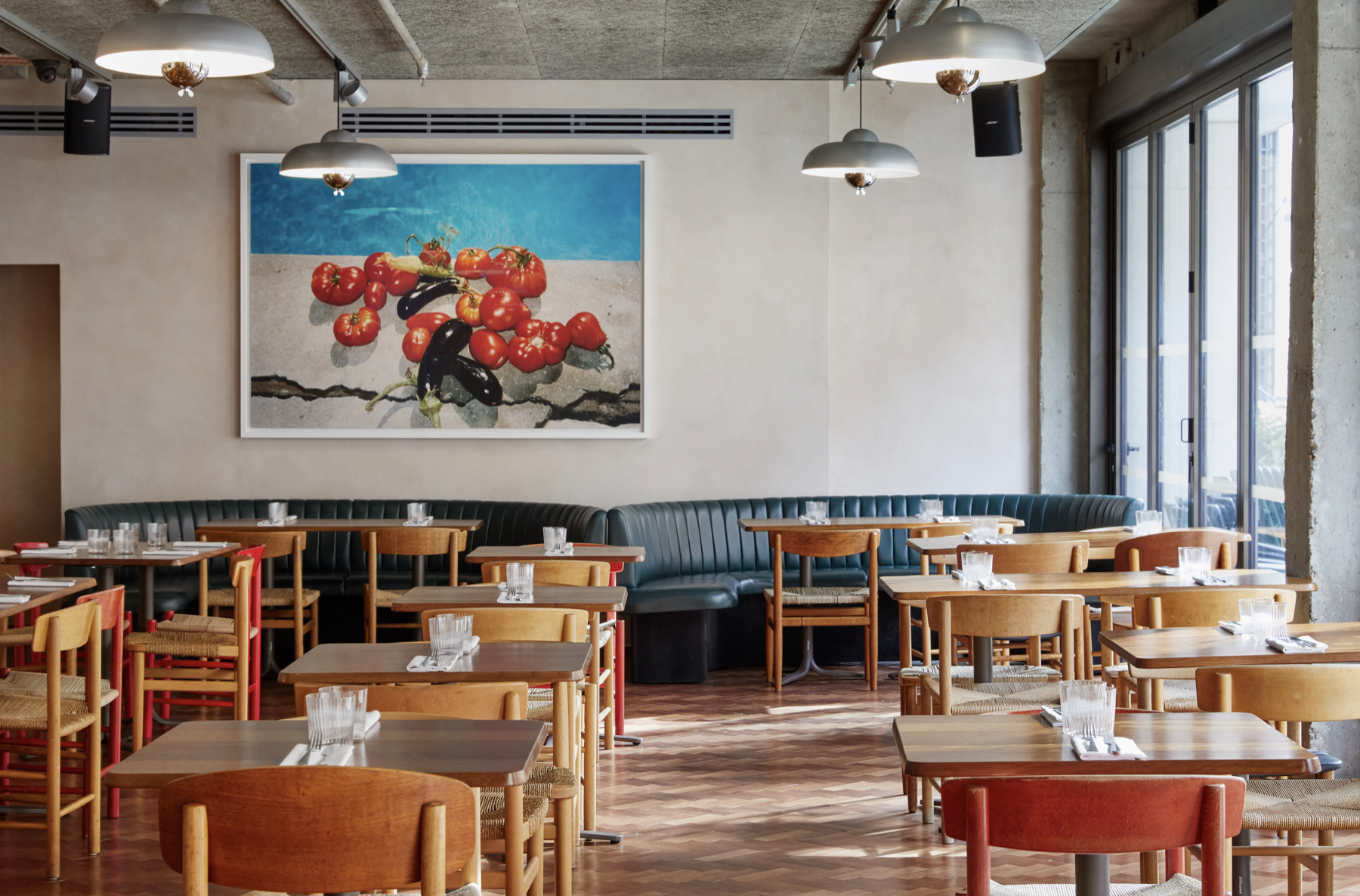
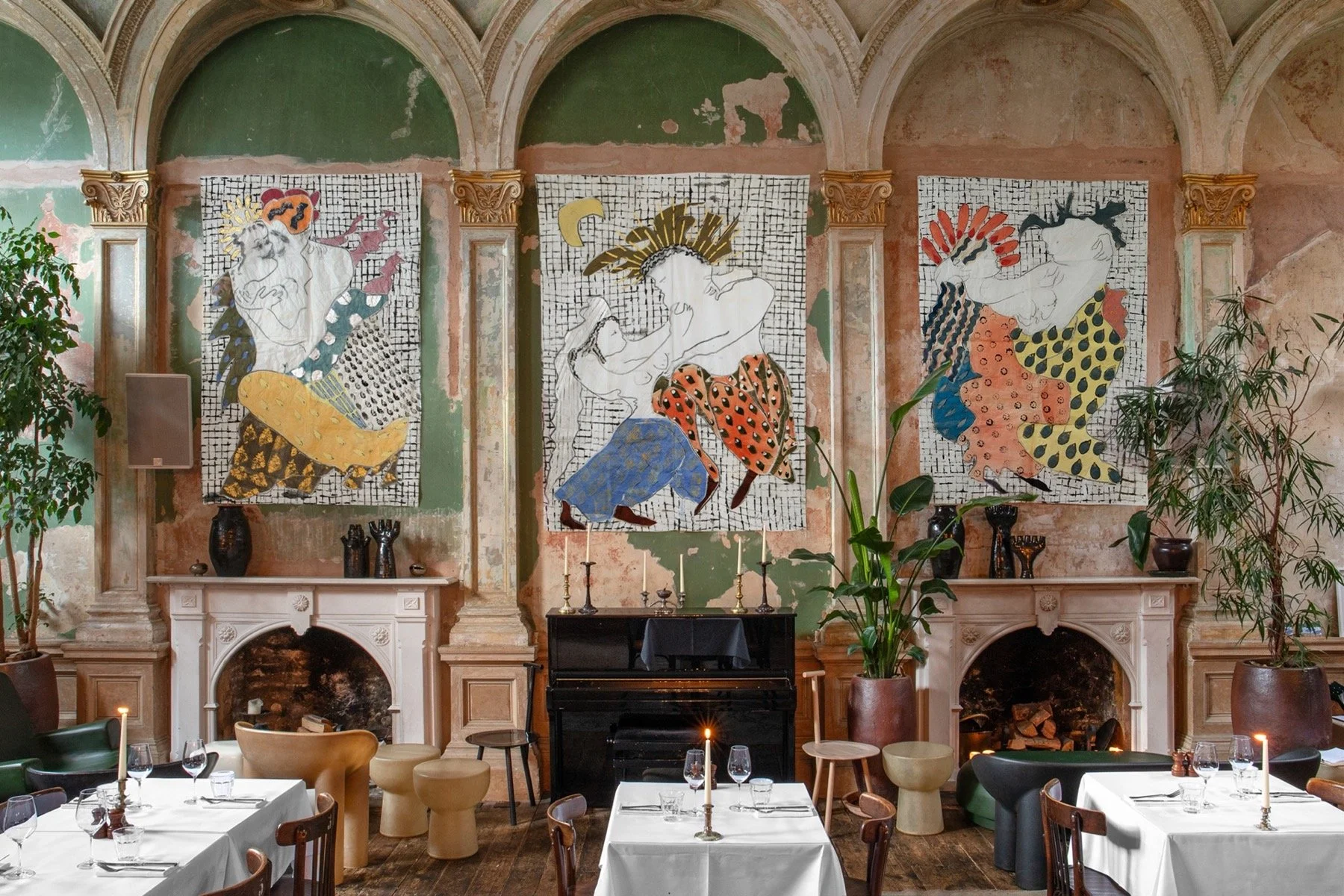
The shift reflects a broader change in consumer behaviour. In 2025, experiential luxury grew by 8 per cent globally, reaching $103.4 billion and outperforming personal luxury goods for the first time. For luxury consumers, the aspiration is no longer simply ownership. It is access, immersion, and memorable experiences.
Few places embody this evolution more completely than Pollini at Ladbroke Hall.
Set within the monumental Edwardian surroundings of Ladbroke Hall in West London, Pollini sits at the heart of a destination that has quietly become one of the city’s most fascinating cultural ecosystems. Home to Carpenters Workshop Gallery, the Sunbeam Theatre, seasonal gardens and a year-round programme of talks, exhibitions, concerts, and workshops, Ladbroke Hall represents a new model of hospitality: one where dining forms part of a larger cultural narrative.
For Carpenters Workshop Gallery, whose collectible design pieces are sought after by museums and private collectors around the world, hospitality became a natural extension of its philosophy. For more than two decades, the gallery has championed design as something to be lived with rather than simply observed. Pollini brings that idea into everyday life.
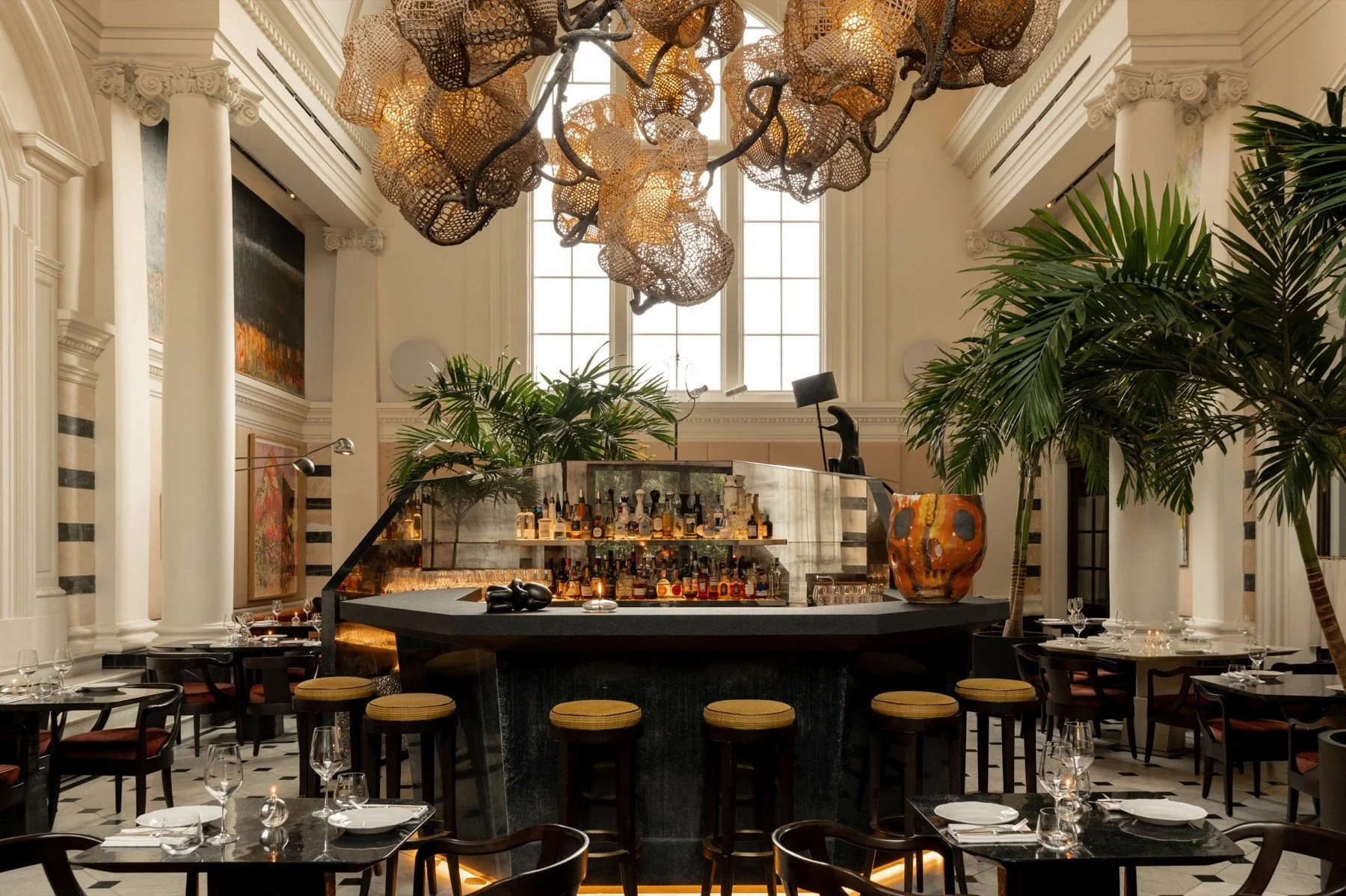
Guests arrive not simply to eat, but to inhabit a carefully curated environment. Designed by Vincenzo De Cotiis, the restaurant balances the grandeur of the building’s historic architecture with contemporary interventions. A sculptural chandelier by Nacho Carbonell hangs above the dining room, while bespoke furniture and artworks by leading contemporary artists form part of the experience itself. Four monumental works by Sir Christopher Le Brun create a dramatic backdrop, reinforcing the sense that guests are dining within a living gallery rather than a conventional restaurant.
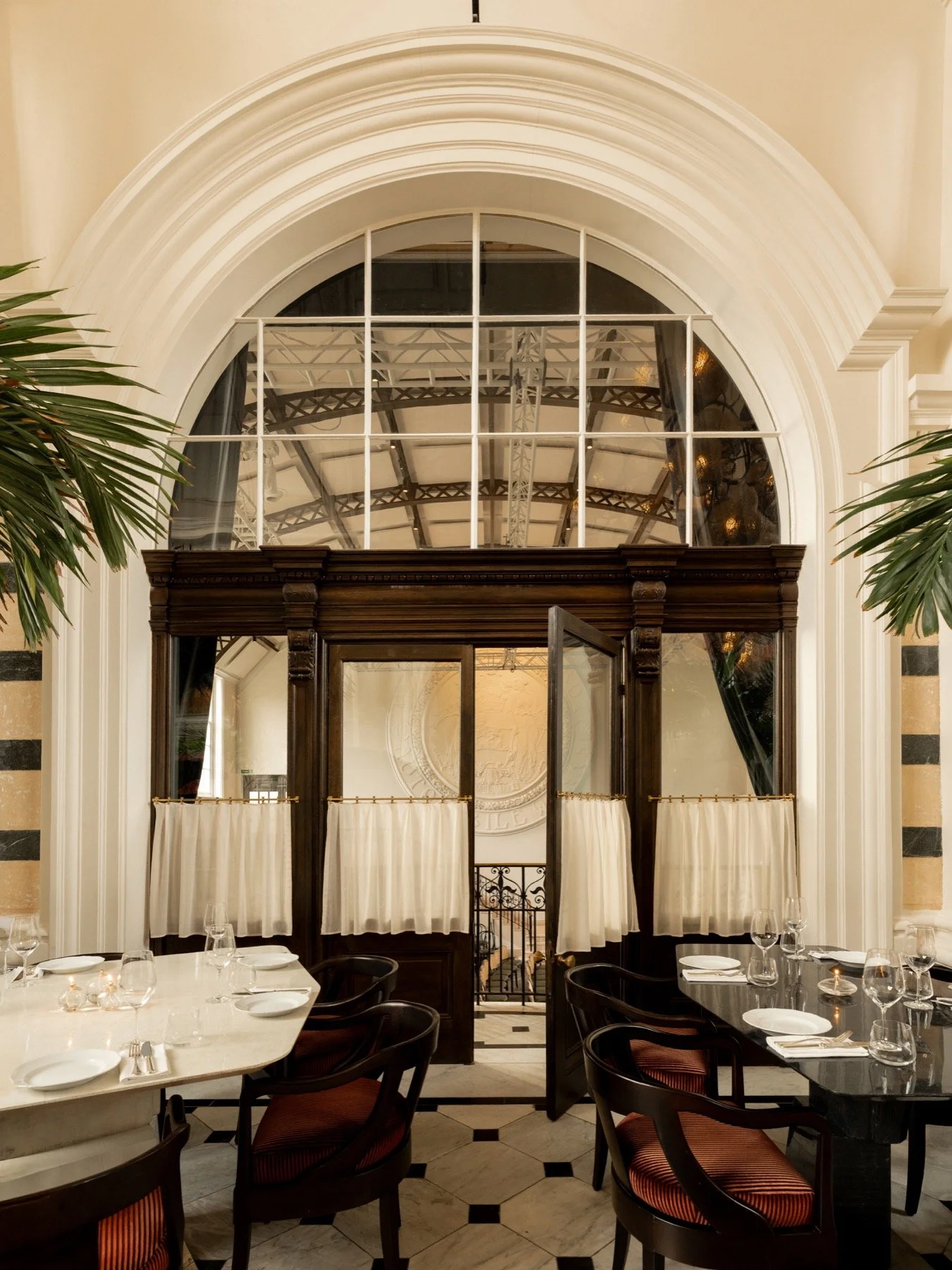
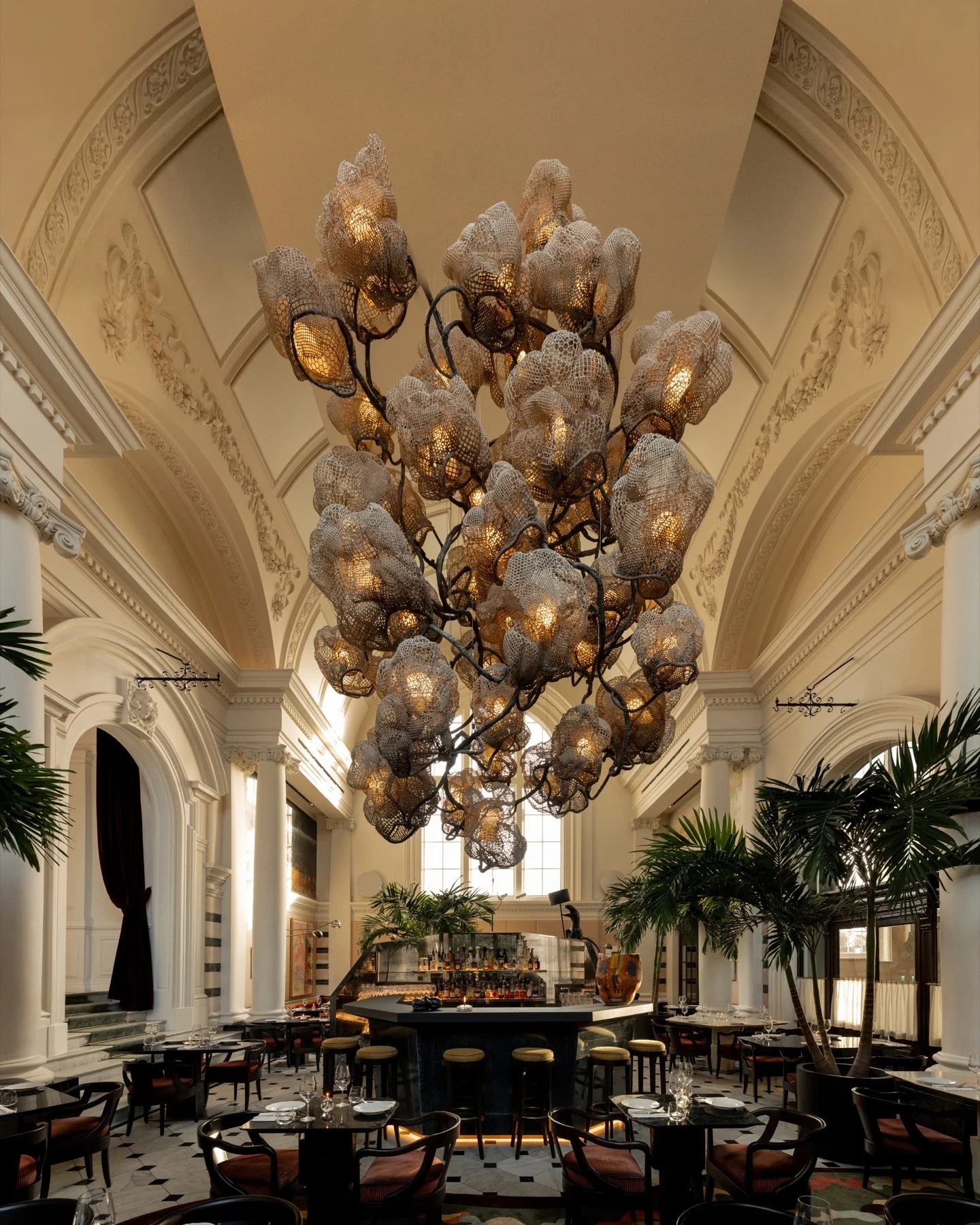
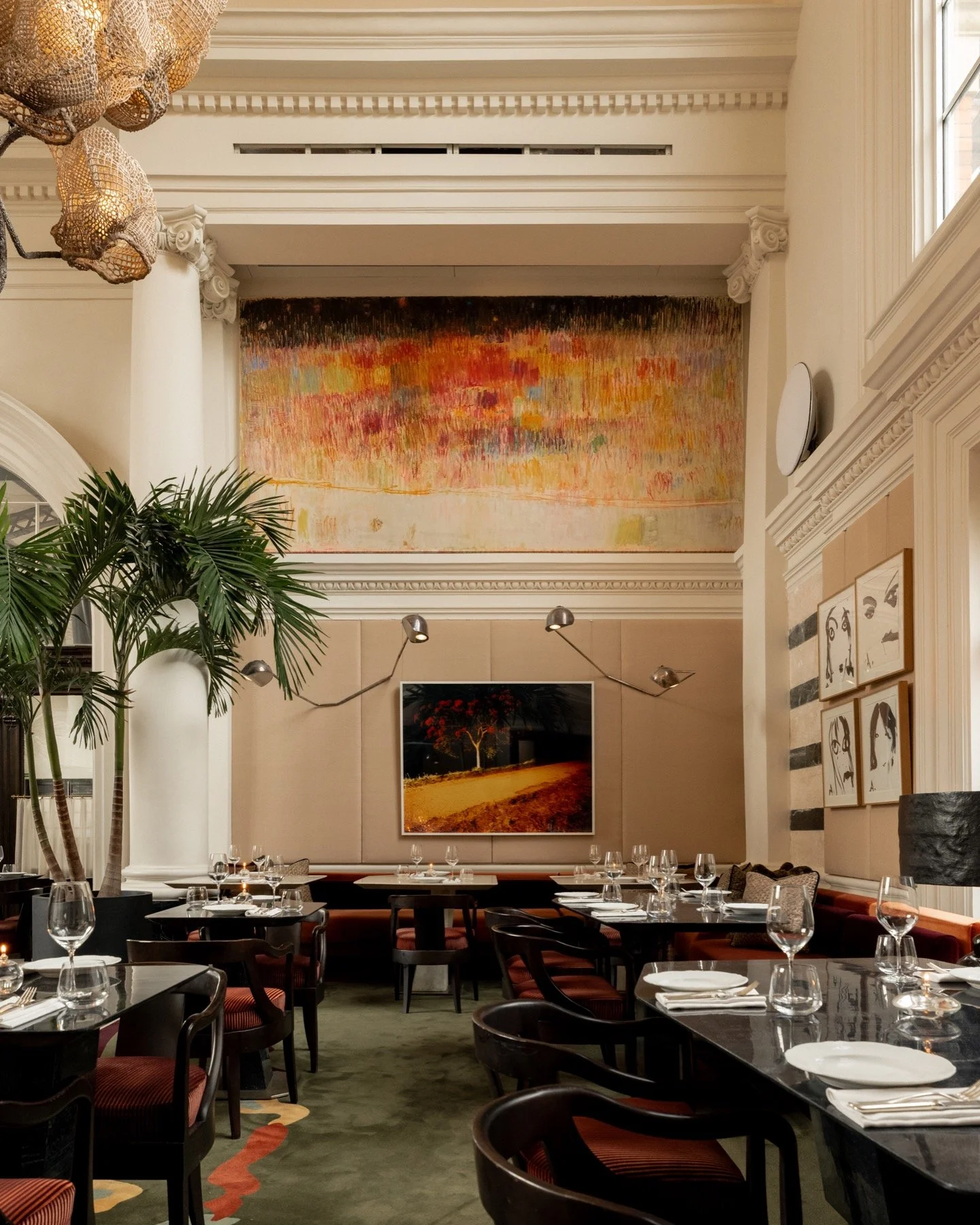
Importantly, nothing feels museum-like. The design is not there to be admired from behind a rope. It is there to be used, occupied, and experienced.
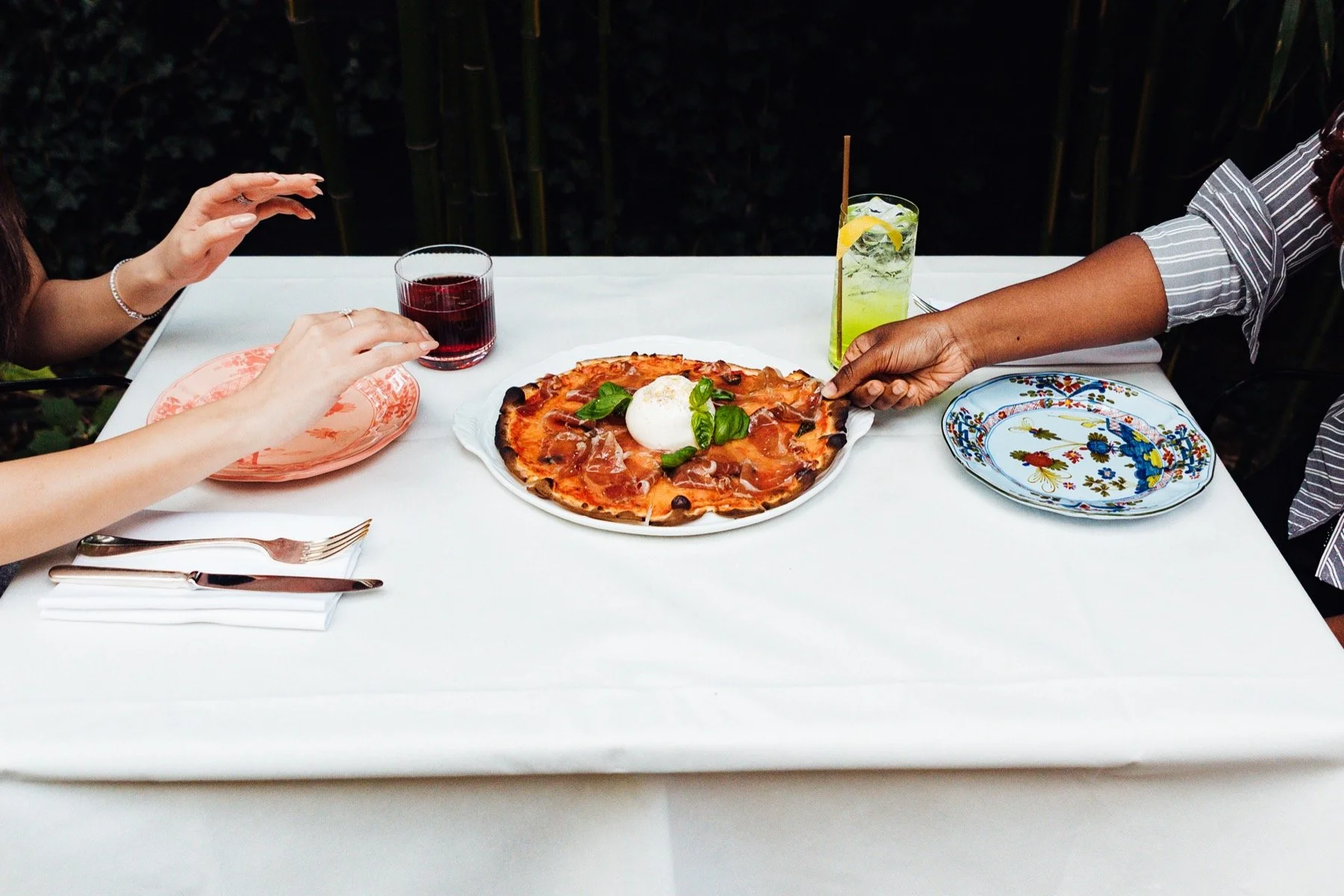
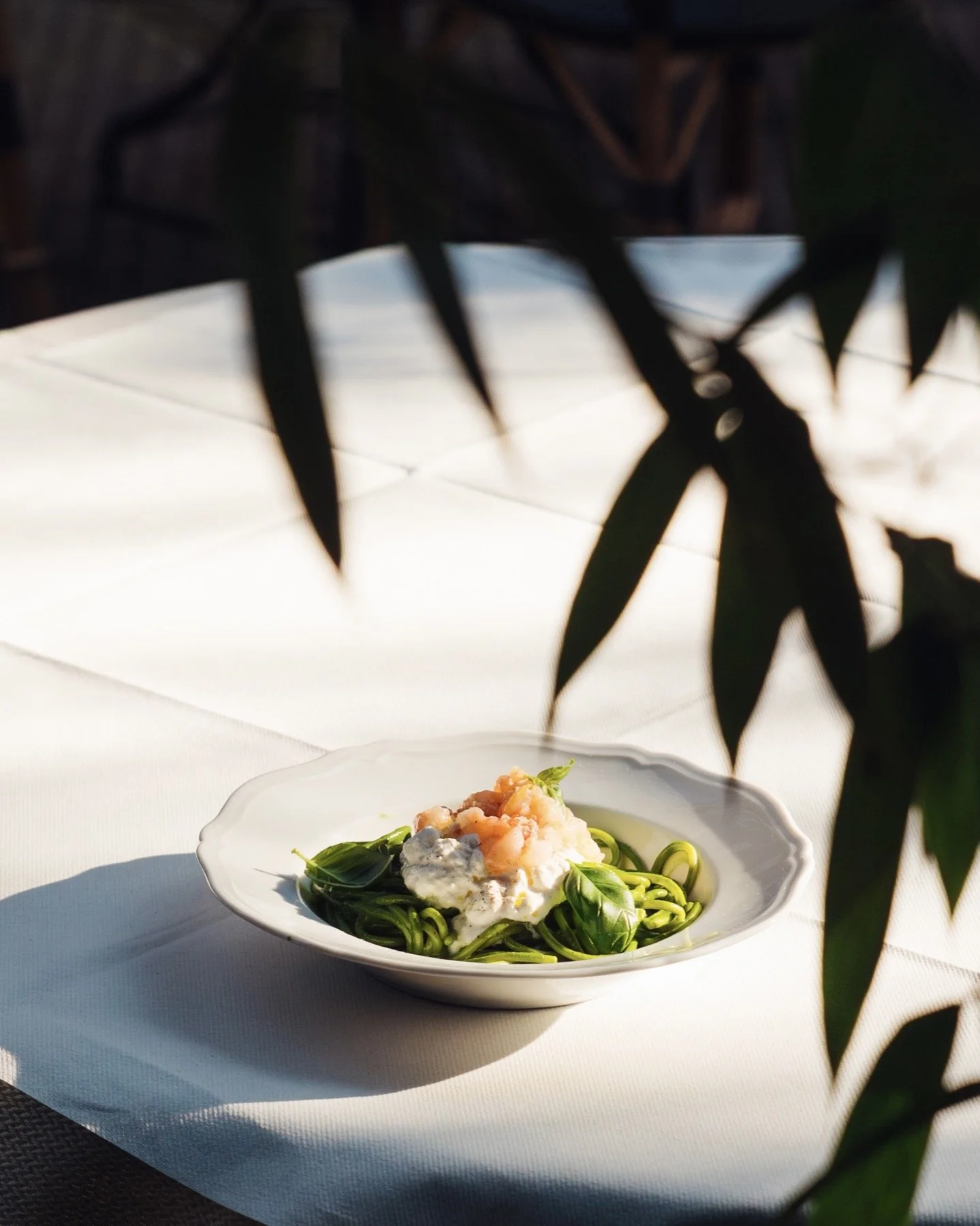
This idea extends to the culinary offering. Following its recent evolution into a contemporary osteria, Chef Emanuele Pollini’s menu celebrates the convivial spirit of Emilia-Romagna with generous sharing plates, seasonal ingredients, and a relaxed approach to dining. The experience feels deliberately social, encouraging guests to linger, converse and engage with their surroundings rather than simply move through them.
Yet the restaurant is only one chapter of the story.
Elsewhere within Ladbroke Hall, visitors can move between worlds. On one evening, guests might begin with dinner before attending a jazz performance in the Sunbeam Theatre. Another visit may involve a design exhibition, a craft workshop or a film screening. Throughout the summer, the gardens become an extension of the cultural programme, creating an experience that feels closer to a private cultural estate than a traditional hospitality venue.
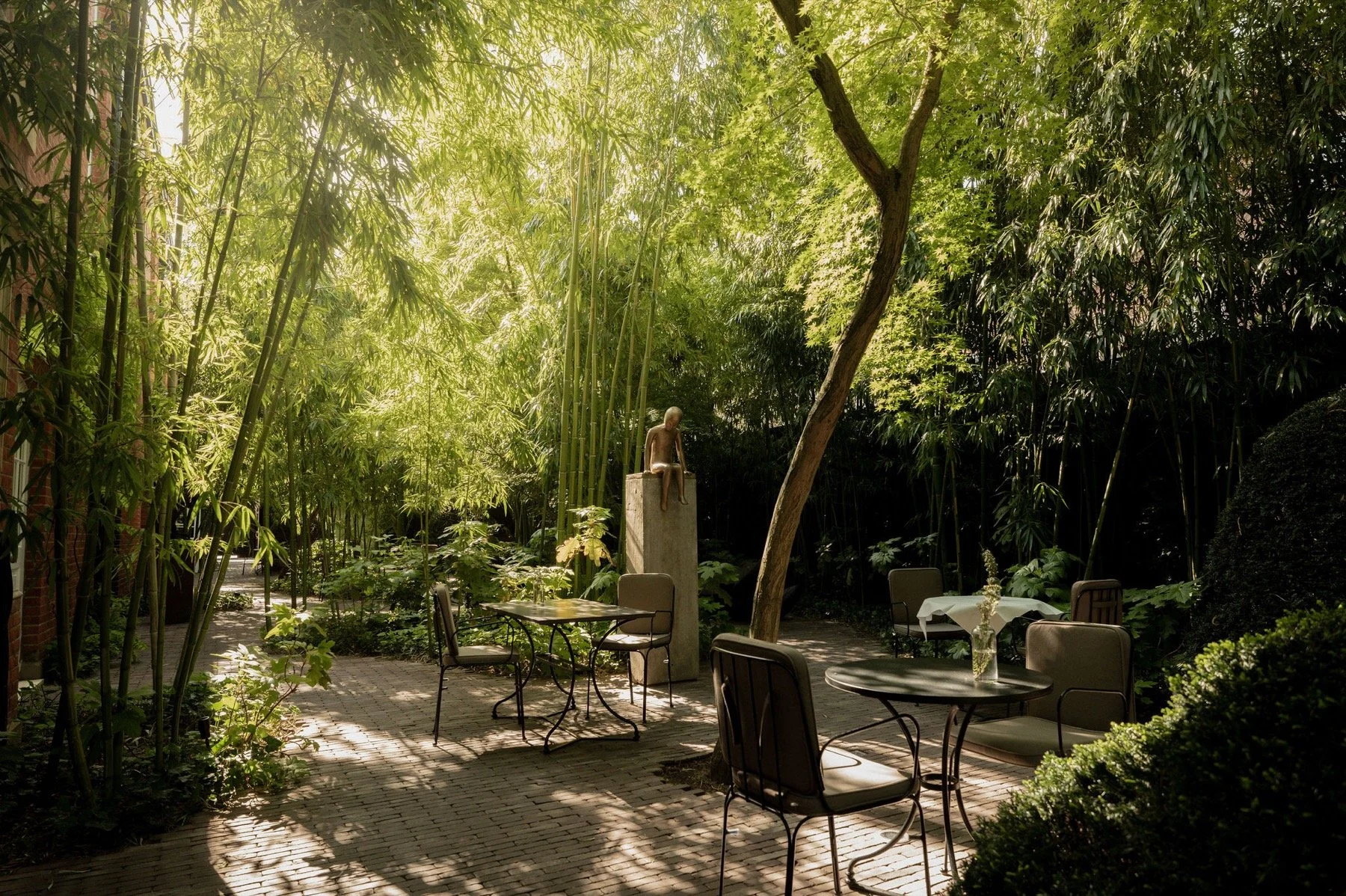
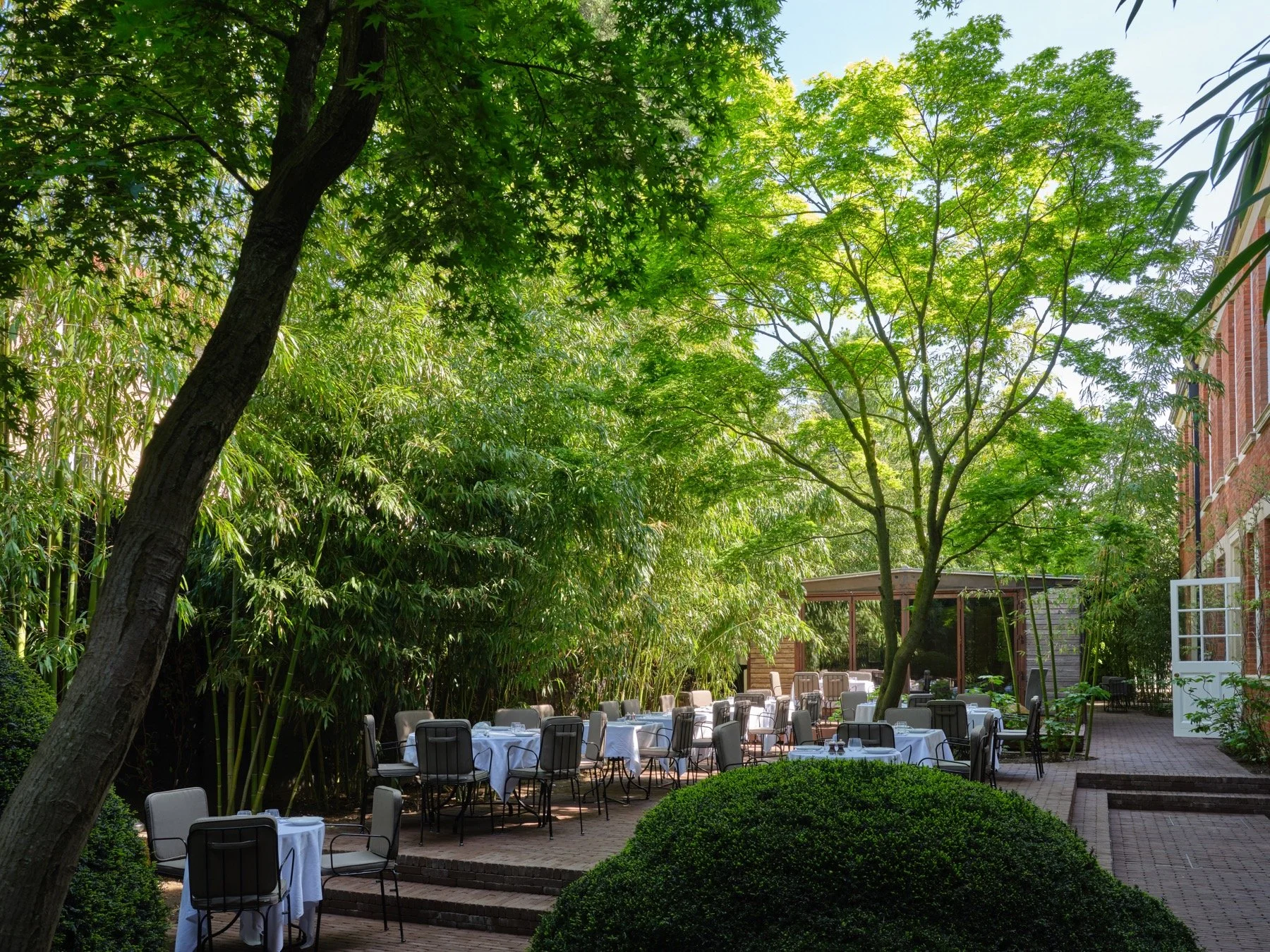
One of the most striking examples sits hidden among the bamboo-lined pathways of the garden. Here, visitors encounter Jean Prouvé’s Maison Démontable, a rare 1944 prefabricated house originally conceived as emergency housing in post-war France. Presented by Carpenters Workshop Gallery, the restored structure has become a permanent architectural installation within the landscape.
Nearby, poetry is scattered throughout the garden, encouraging visitors to pause, reflect and engage with the environment in unexpected ways. A communal writing table invites guests to contribute memories and stories, further blurring the distinction between visitor and participant.
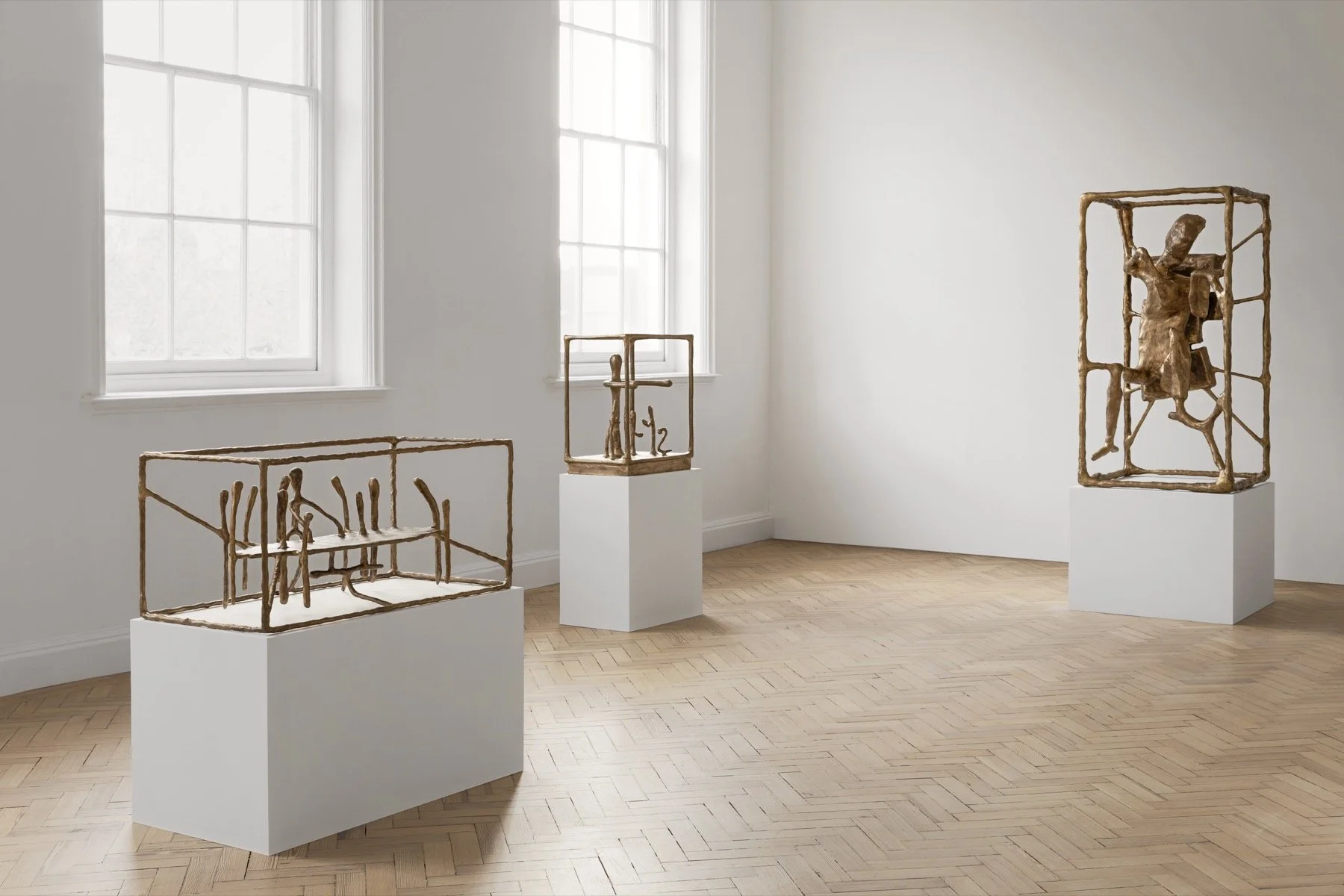
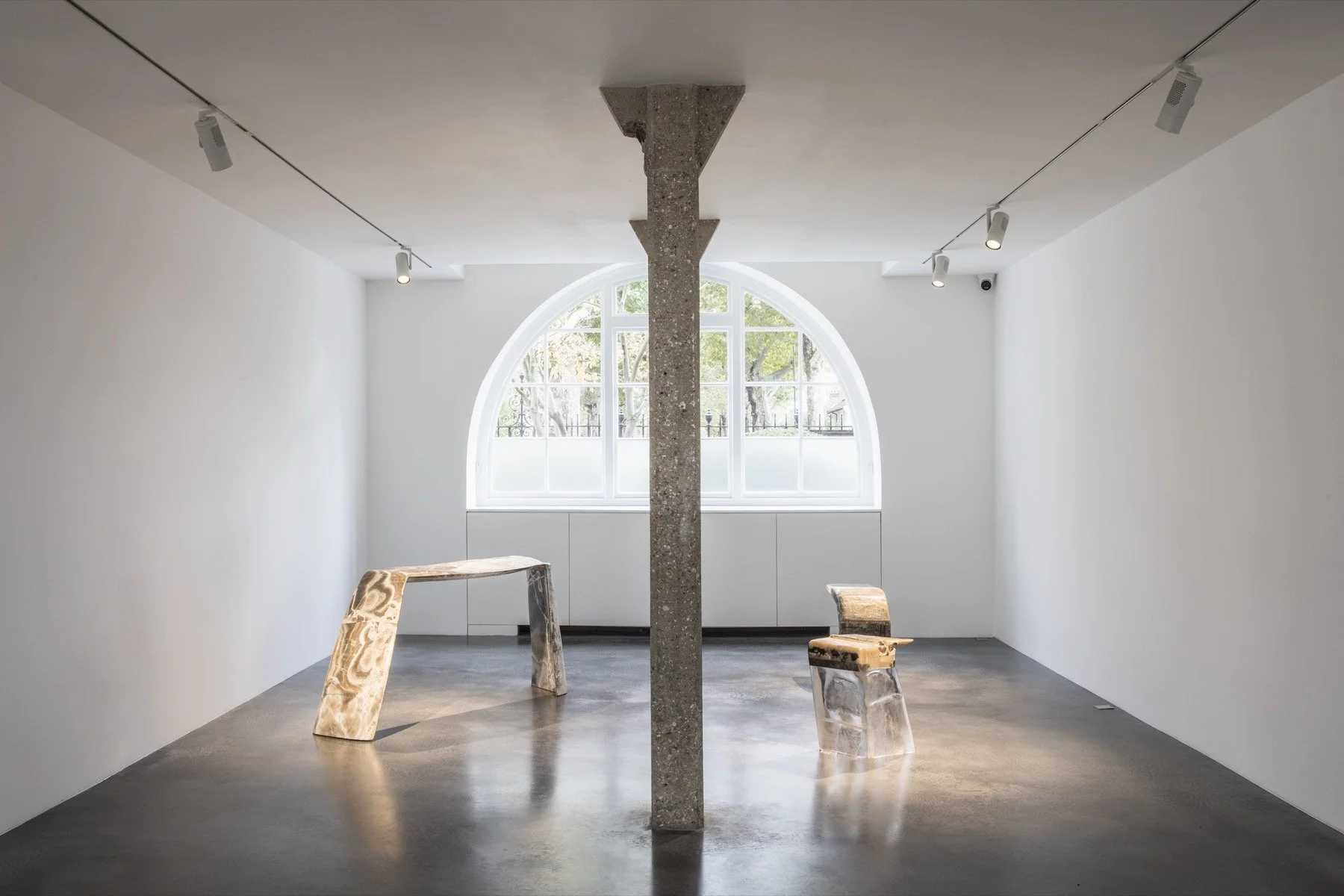
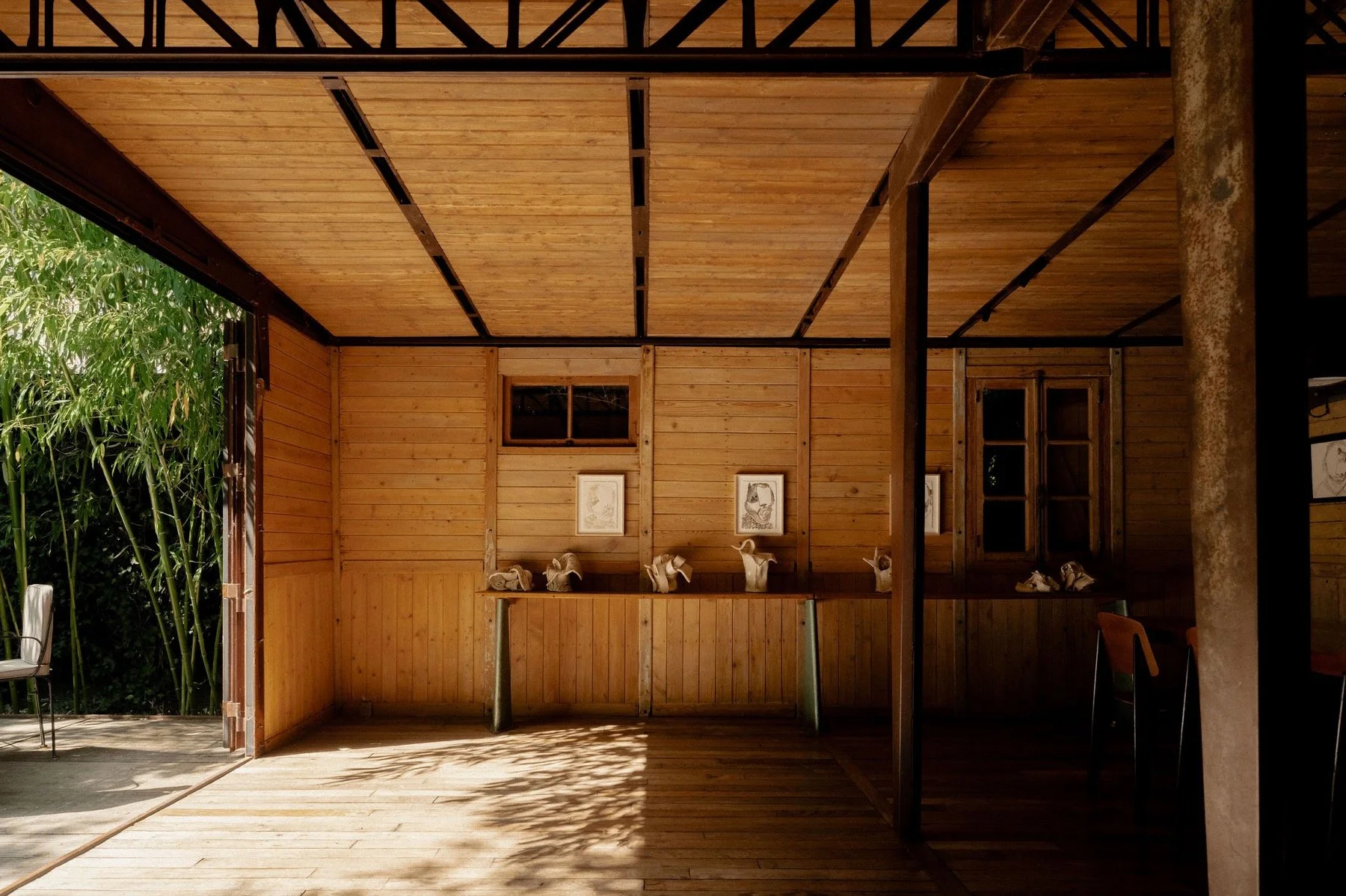
Ladbroke Hall is not alone in recognising this shift. Across London, hospitality and culture are increasingly intertwined. At Sessions Arts Club in Clerkenwell, guests dine within a former courthouse transformed into a theatrical backdrop for art, food, and performance. The Connaught continues to commission leading artists and designers, while venues such as Toklas have demonstrated how restaurants can operate as extensions of creative communities, bringing together food, architecture, publishing, and contemporary culture.
Yet what distinguishes Ladbroke Hall is the completeness of its vision. Rather than adding art to a restaurant or introducing dining to a cultural venue, the entire destination has been conceived as an interconnected experience where architecture, design, gastronomy, and programming exist in constant dialogue.
It speaks to a wider cultural movement. Today’s luxury consumers increasingly value experiences that feel layered, authentic and difficult to replicate. They are seeking places that stimulate curiosity, encourage discovery and reward repeat visits. A memorable meal remains important, but increasingly it is only one part of the equation.
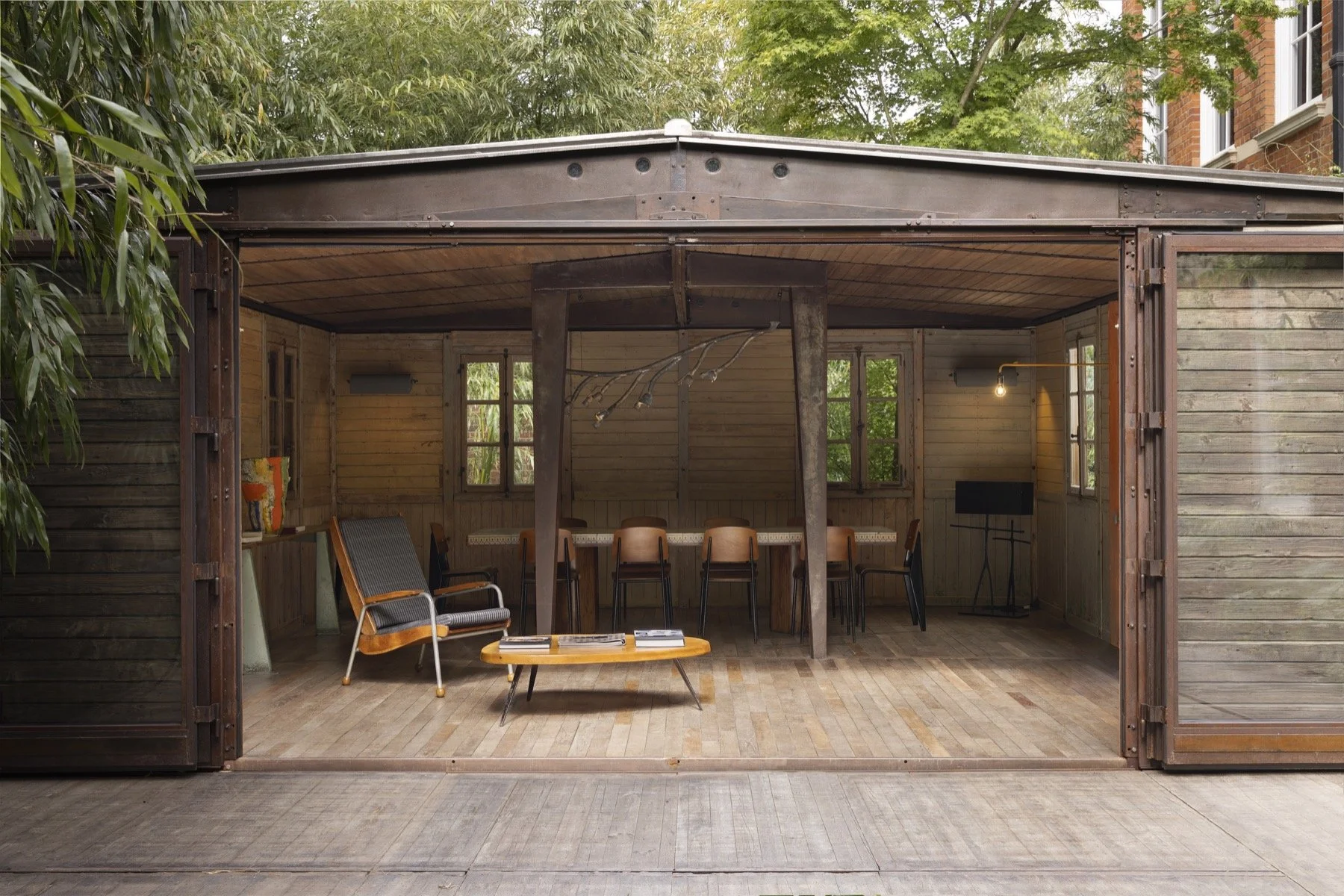
The most exciting hospitality destinations are no longer asking guests where they would like to eat. They are asking how they would like to spend their time.
At Pollini and Ladbroke Hall, the answer involves much more than a reservation. It is an invitation to step inside a world where every detail, from the art on the walls to the architecture overhead and the music in the next room, contributes to a richer, more immersive experience.
In an age increasingly defined by experiences over possessions, that may well be the future of luxury hospitality.
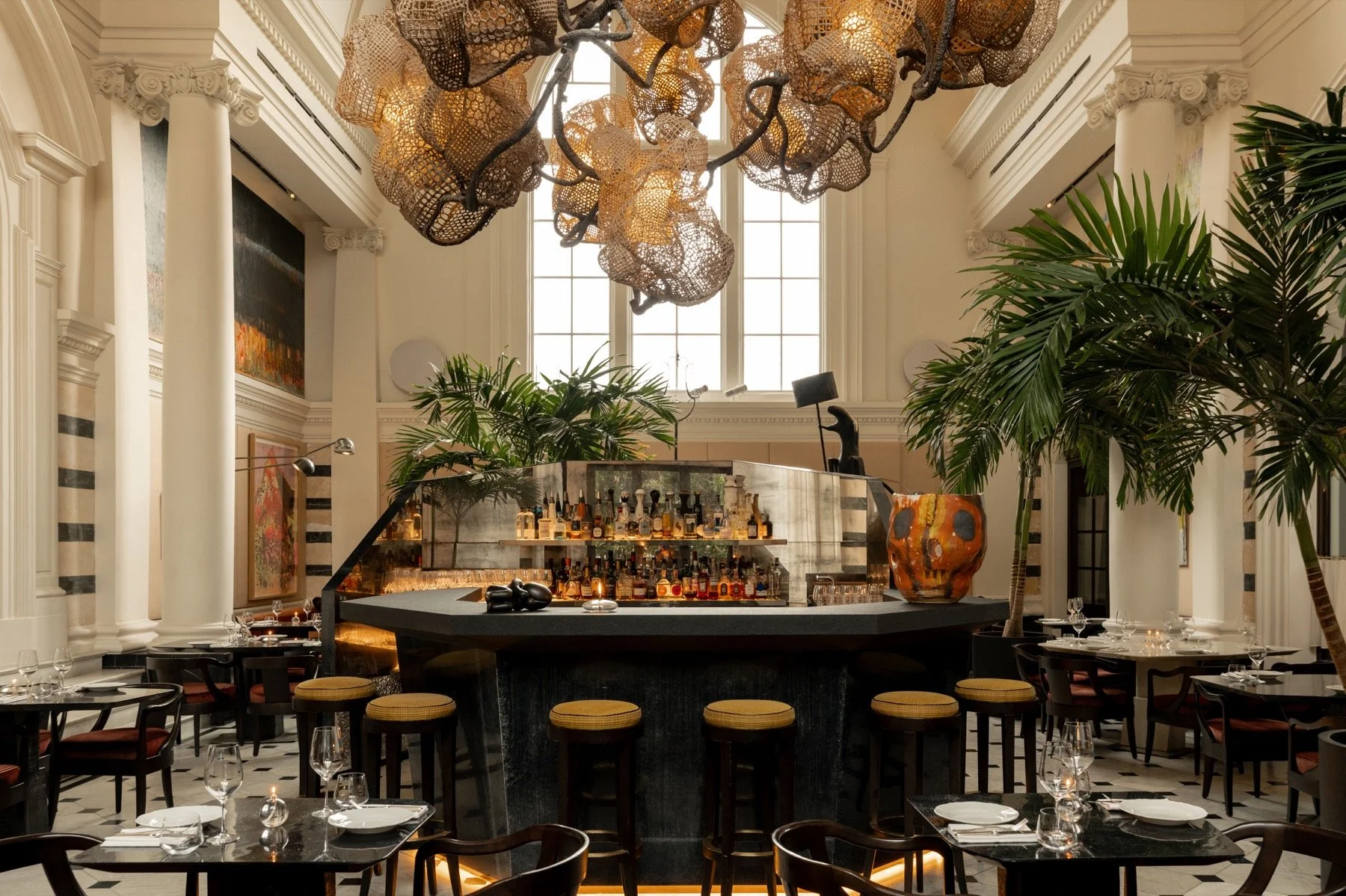
PHOTO: Stevie Campbell
Hungry for more?
Read up on the latest news, delicious eats, travel treats and seasonal style trends in FEATURES, or browse a curated selection of our FEATURED PRODUCTS, meander through our guide to the finest things to do in Cheshire and beyond in WHATS ON or partake in our COMPETITIONS.
About The CHESHIRE Magazine
We are the definitive guide to luxury lifestyle in the North West. Latest news, delicious eats, travel treats and seasonal style trends. The Cheshire Magazine is the largest luxury lifestyle title for the North West of England, dropping directly through the letterboxes of VIP subscribers from the Wirral to Greater Manchester plus all the villages and towns in between and digitally available as a subscription in print and digital on issuu.com worldwide. We specialise in connecting luxury brands to likeminded consumers.
If you are interested on how you can partner with The CHESHIRE Magazine, read more about us. Or get in touch to find out more about marketing, featuring or partnering with the Cheshire Magazine in print or online.