

A Legacy In Every Bottle
With over four centuries of family heritage behind every bottle of Cattier, Owner Alexandre Cattier reflects on his family’s legacy and the responsibility of guiding an independent Champagne estate into its fifth century
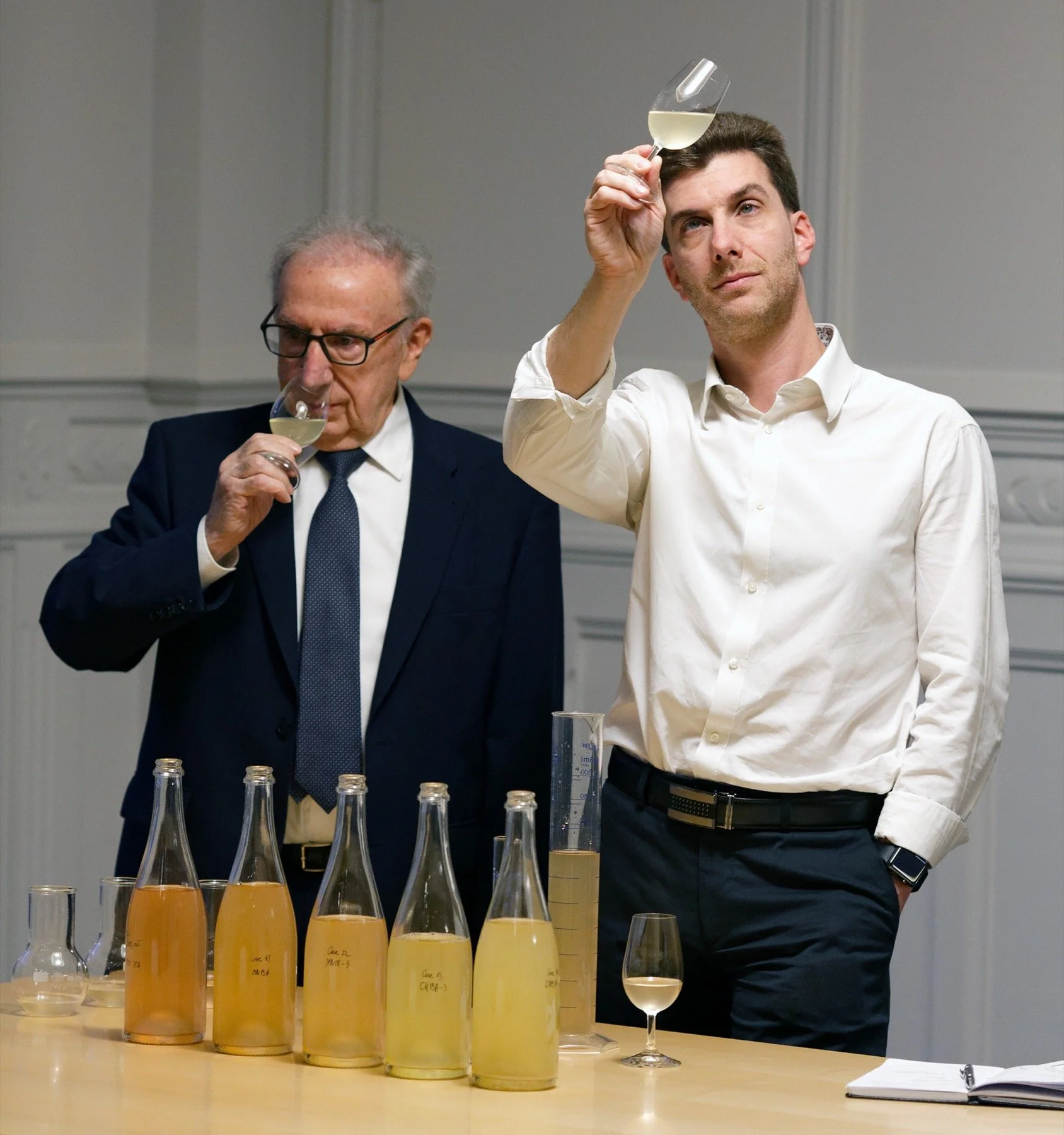
The Cattier family can trace its history back to 1625, when they were grape growers in the Montagne de Reims region of Champagne, France. Based in Chigny-les-Roses, the family manage over 30 hectares of vineyards, primarily classified as Premier Cru. Alexandre Cattier represents the 13th generation of his family to lead the House, remaining both the owner and hands-on winemaker. Here, Alexandre reflects on the family’s rich history and shares the realities of running a Champagne House today.
2025 marked the 400th anniversary of Cattier. Could you share a little of the House’s history?
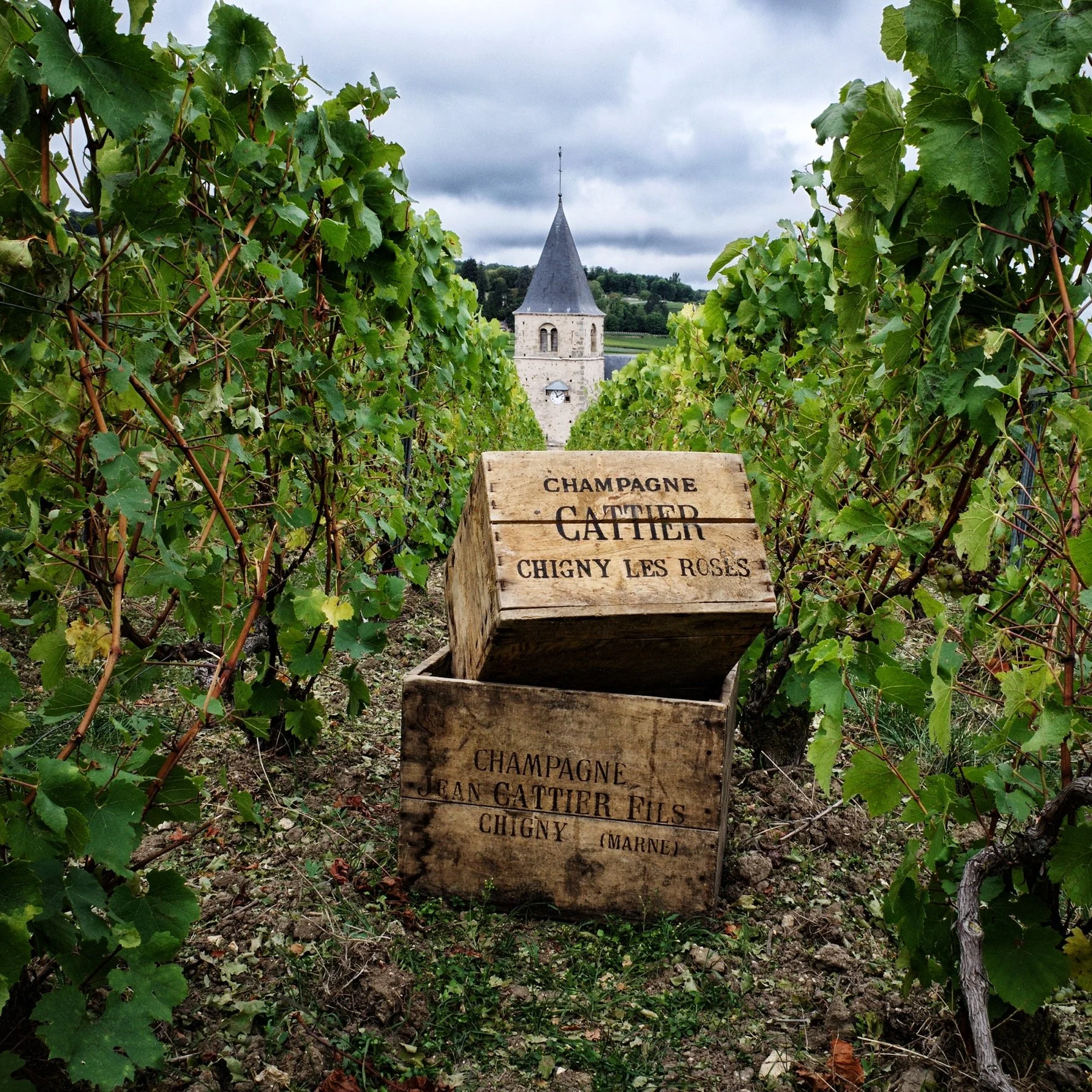
Our family has been writing a story deeply rooted in the Champagne region since 1625. A story shaped by the pursuit of excellence, a touch of audacity and an enduring love for our land through being grape growers. The vines in Chigny-les-Roses have been passed down through fourteen generations, my cousins and I being the 13th generation. Each generation has taken over the reins in this Premier Cru village, on the northern part of the Montagne de Reims, with the same commitment to preserving both our terroir and our independence.
In 1916, Jean Cattier began a new adventure for my family and started to make the first bottles of Cattier-named Champagne that were released in 1918. Our Champagne House is also unique, as I am the 4th generation to carry the Cattier name and still make the wines. Reaching four centuries of family history in 2025 is both an honour and a responsibility. It reminds us that we are not just producing Champagne, we are tending a legacy. Every day, we strive to keep this heritage by safeguarding the quality and consistency of our wines, the soul of our House, and the values that have been passed on to us for centuries.
Cattier is based in the Montagne de Reims, with 33 hectares of Premier Cru vineyards in and around Chigny-les-Roses, Rilly and Ludes. How does this predominantly black-grape terroir shape the distinctive character and structure of your Champagnes?
I craft Cattier Champagnes as the purest possible translation of our location and terroir. With our certified sustainable viticulture practices, we work more than fifty individual plots across the three villages in the north of the Montagne de Reims. Each parcel expresses a nuance, and my objective is to extract that chalky tension and minerality from Pinot Noir, Pinot Meunier and Chardonnay while still bringing great maturity within the blends. We deliberately choose not to use oak, neither for vinification nor for ageing our reserve wines. This allows us to preserve clarity and total transparency. I am seeking an aromatic expression of my wines with brightness, precision and true to their origin.
A very good illustration is our Blanc de Noirs, composed of 75% Pinot Noir and 25% Pinot Meunier. In this cuvée, I believe we can express our roots in their most harmonious form - generous black grape flesh with tension that will just tease your taste buds enough that you’ll finish the glass before you notice it.
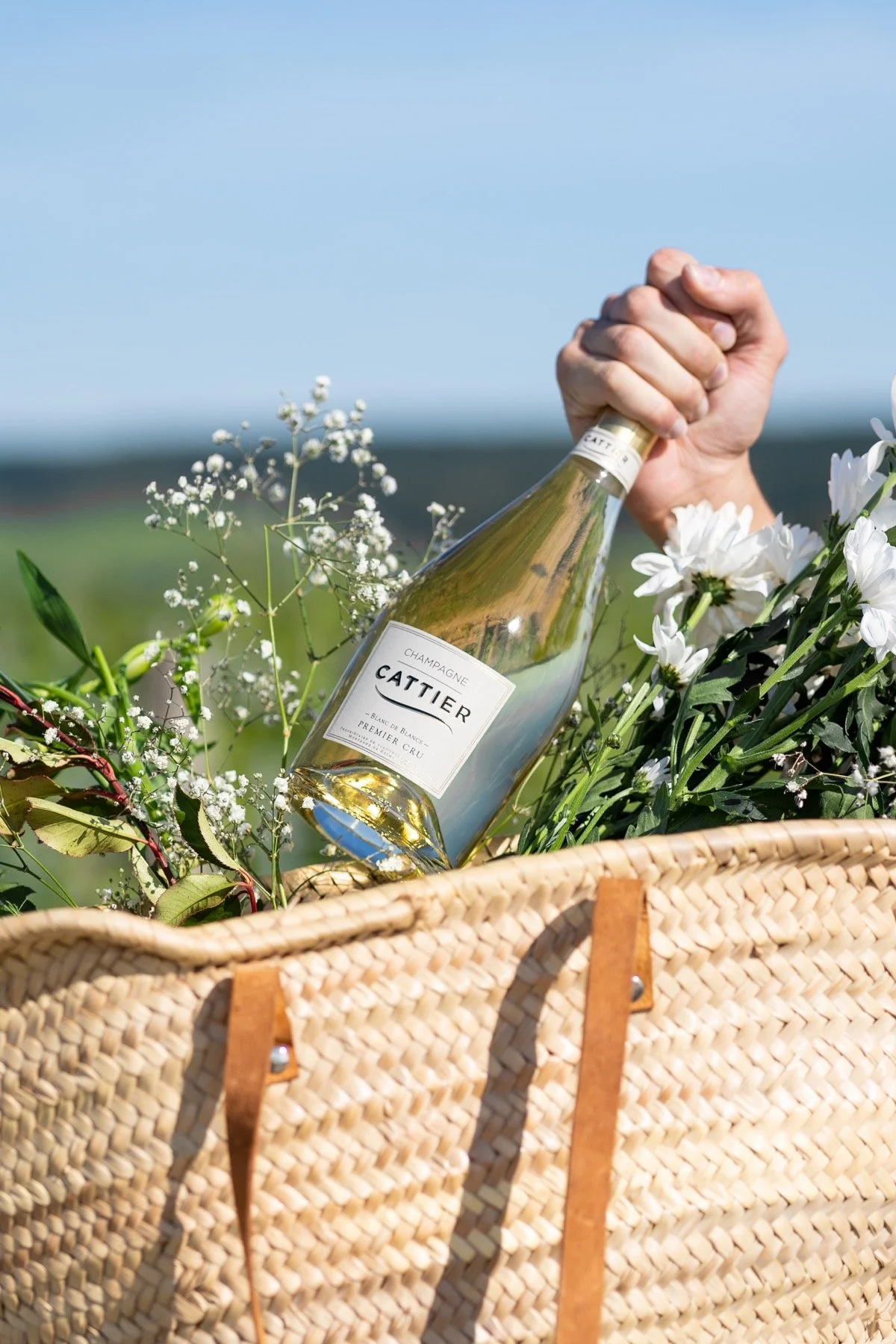
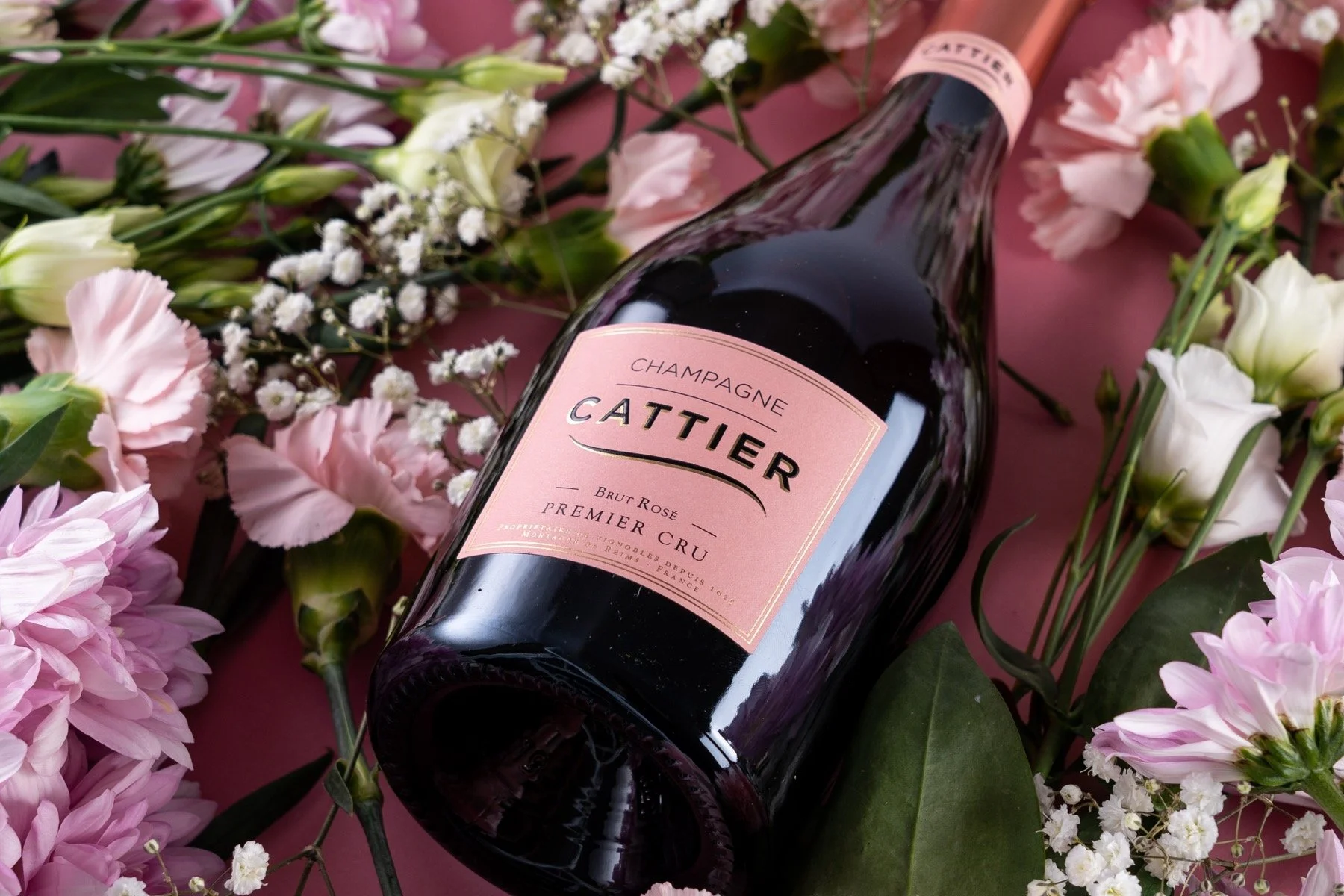
The Blancs de Blancs is particularly intriguing, given it is crafted from 100% Chardonnay grown in a region traditionally known for Pinot Noir and Meunier. What makes this expression so unique, and how does it reflect the specific terroir of the Montagne de Reims?
Being located on the northern slopes of the Montagne de Reims, our Chardonnays are less exposed than those from the Côte des Blancs – from where Blancs de Blancs are ‘normally’ sourced. This ’cooler’ exposure slows down the ripening process, allowing phenolic maturity to develop in harmony with sugar ripeness and acidity. The result is a generous Chardonnay with great balance and a deeper aromatic complexity.
For example, in 2018, I decided to make the first ever Vintage Blanc de Blancs for Cattier. I decided to do the tirage only in magnums. After reviewing them, I decided to disgorge in March 2025, and this wine scored 98 points with renowned wine critic James Suckling. So yes, Chardonnay can do well in Chigny and its surroundings.
How important is bottle design and packaging in expressing the identity of a Champagne?
Well, my father was the one who truly began focusing on marketing and packaging when we made the decision to elevate our positioning, especially outside France. For example, the brand Armand de Brignac (now owned by LVMH) was the result of experiments and reflections that began as early as the 1980s, working on metallisation, pewter labels, and distinctive package presentation.
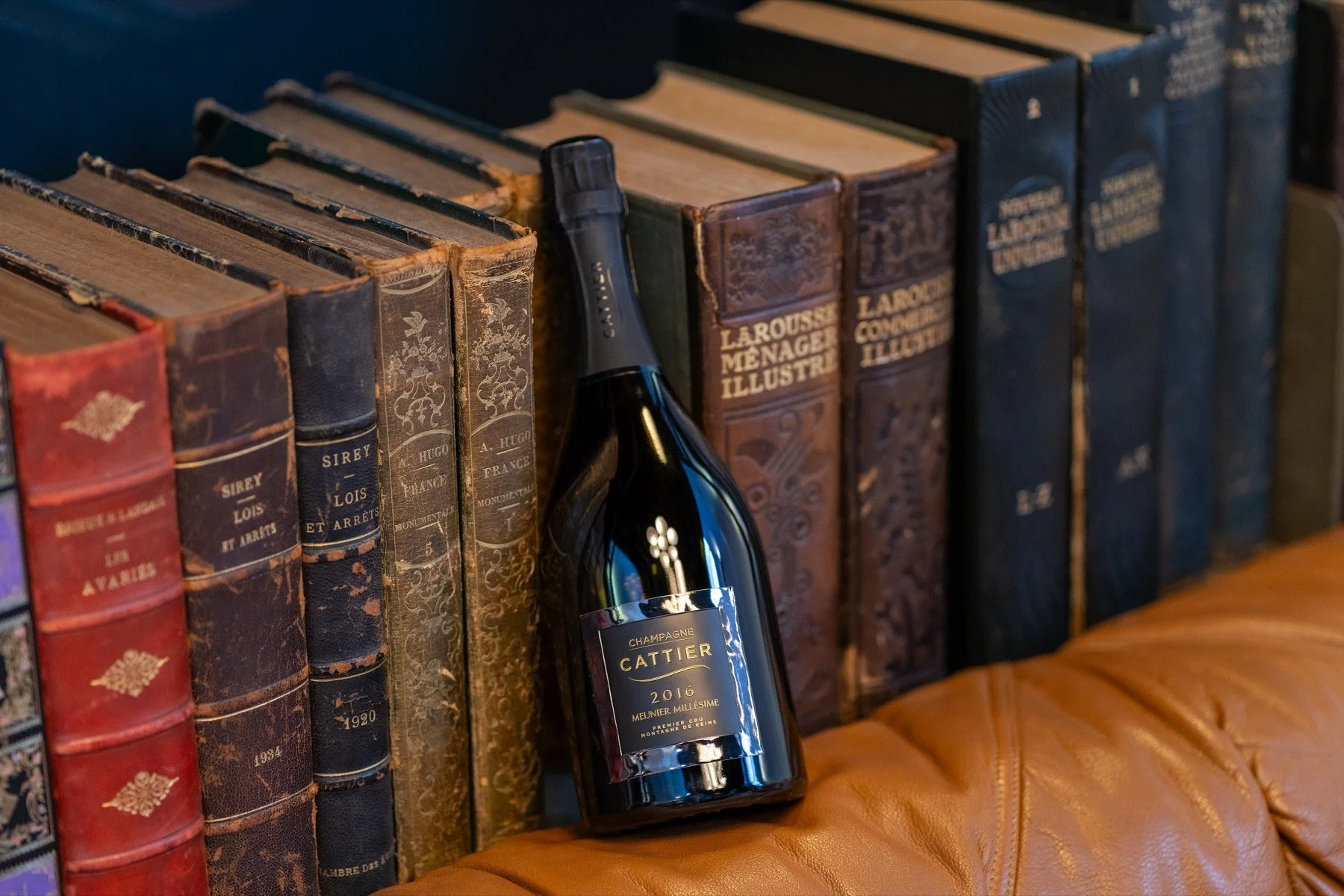
Today, that same spirit continues. Our team, and particularly my cousin Agathe, are constantly refining and sharpening our packaging identity, whether for our Premier Cru range or, more recently, through the harmonisation of our prestige cuvées, Clos du Moulin, Meunier and Vintage, now presented in the same distinctive bottle shape to create coherence and strength across the collection.
The packaging receives just as much care and attention as the wines themselves and the work in the vineyard. For us, excellence is not limited to what is inside the bottle; it must be expressed at every level as we are Champagne! Excellence is our motto.
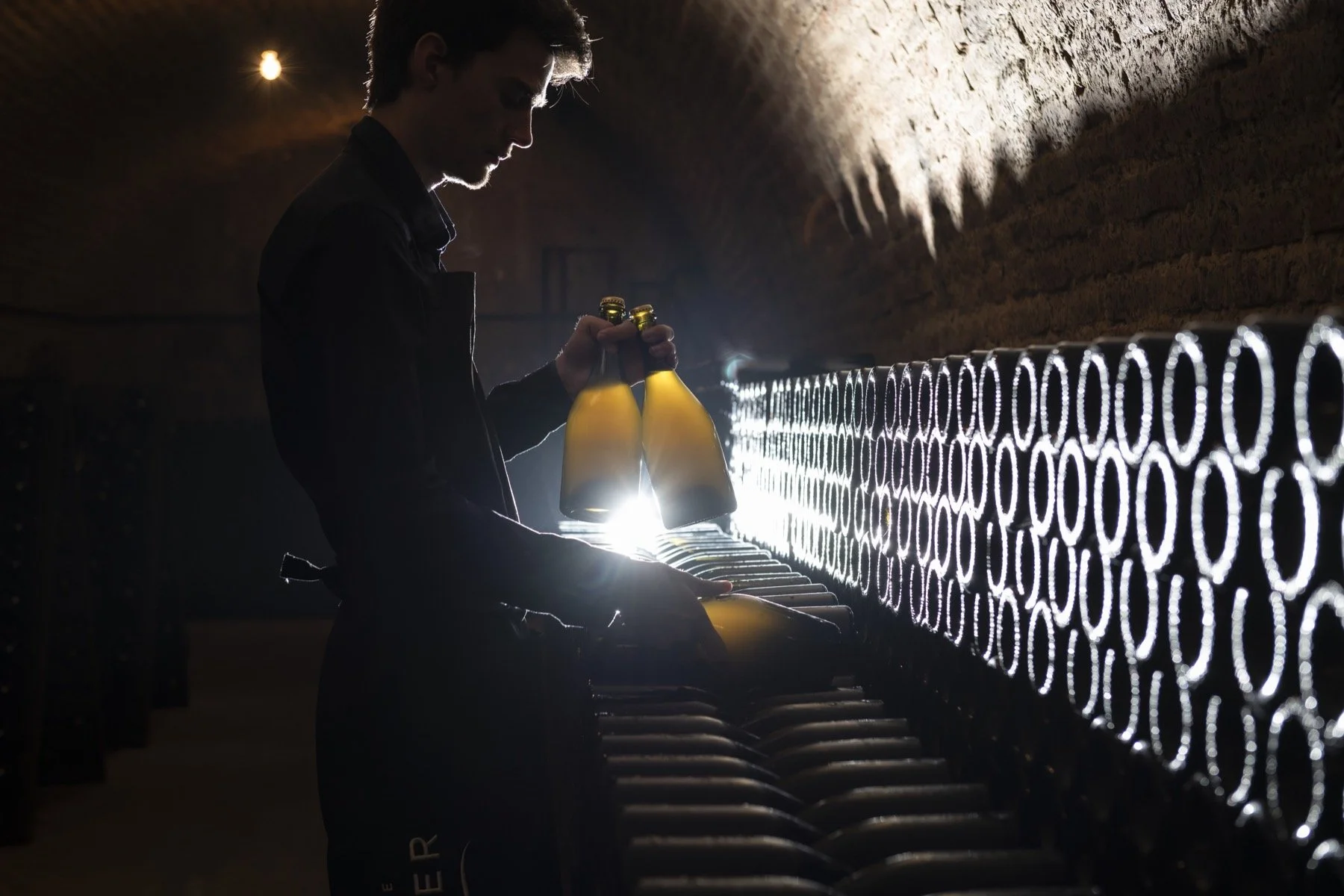
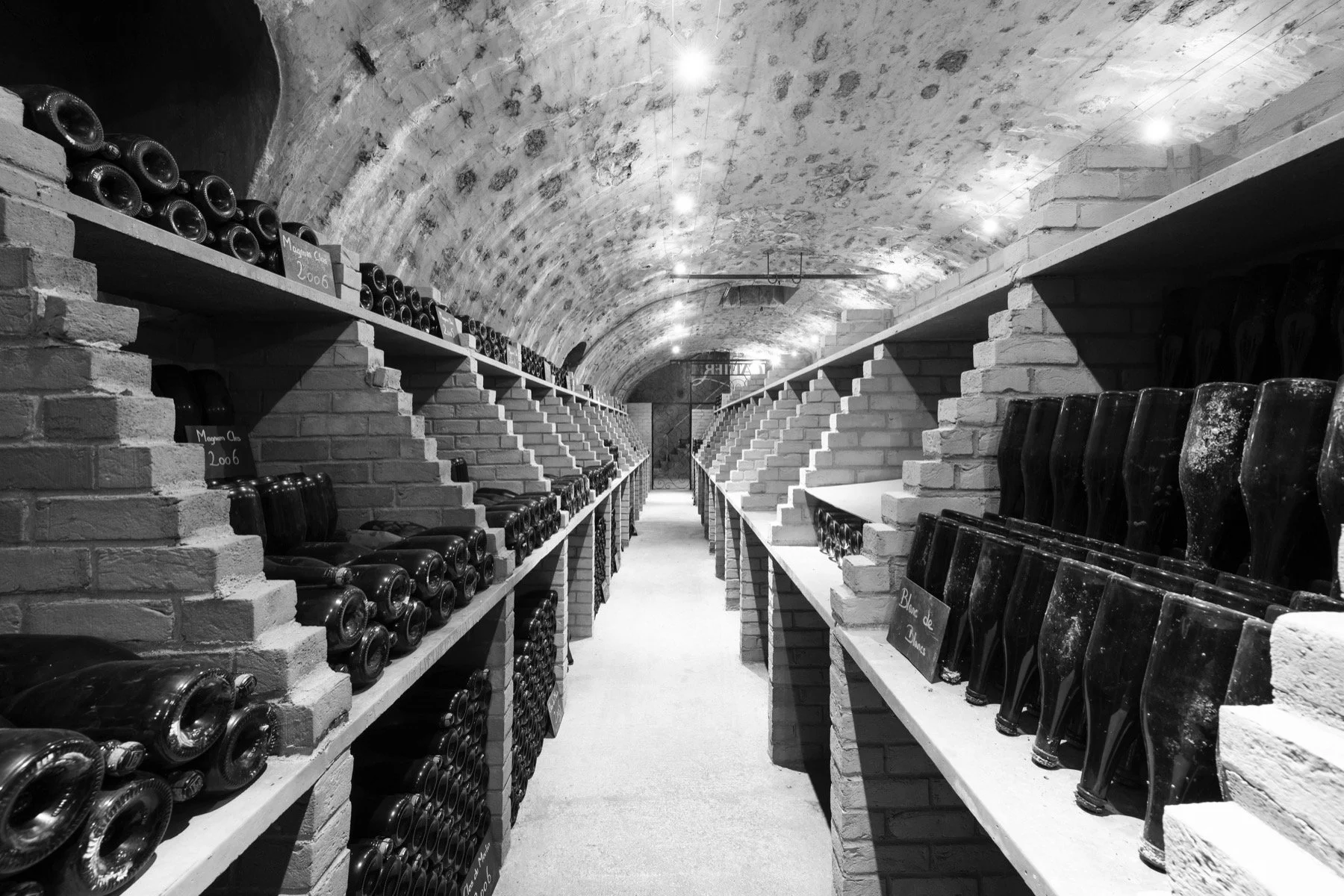
Cattier’s multi-vintage Champagnes spend more than three years on the lees, with prestige cuvées ageing significantly longer and vintage wines resting up to eight years in your chalk cellars. How does extended ageing elevate the texture and complexity of your wines?
Our cellars are rooted more than 30 metres underground in the chalk. Down there, the temperature remains naturally constant at around 10°C throughout the year. In summer, it offers refreshing coolness for our workers and in winter, it provides gentle warmth. But most importantly, this natural stability slows everything down.
At 10°C, the yeasts work in slow motion. This contributes to the finesse of our effervescence and so our delicate, fine bubbles
As the wines age on their lees, the process of autolysis gradually unfolds, bringing complexity, depth and a more layered texture. For the multi-vintage cuvées, my objective is to preserve the freshness and purity of the fruit to maintain energy and precision in our texture.
For the vintage, which rests for around eight years, I seek the opposite expression: greater evolution and aromatic depth. At that stage, for the 2015, we ended with notes I appreciated of dried raspberry, toasted almond, quince paste, light tobacco, dried citrus peel, vanilla and subtle spices.
As for Clos du Moulin, aged between five and six years, my focus is on parcel expression. It is about articulating a very precise dialogue between pinot noir and chardonnay from this unique Clos, achieving balance at a very fine and nuanced level. Time, chalk and patience are our silent partners in this process.
Champagne collectors seek rarity and ageing potential. Which Cattier cuvées best reward long term cellaring?
Magnums are, in my view, the ideal format for collectors. The larger volume allows for slower evolution and greater balance over time. Whether it is our Blanc de Blancs or our Brut, these wines have remarkable ageing potential. I tend to believe, if the foundations are built on precision and balance, then extraordinary surprises can always come from a magnum that has been disgorged a few years ago.
I recently opened a 1976 that had been disgorged in the early 2000s. I was struck first by its freshness at opening, something almost unexpected for a wine of that age. But what impressed me even more was its evolution in the glass. It maintained incredible energy while gradually unfolding layer after layer of aromatic complexity.
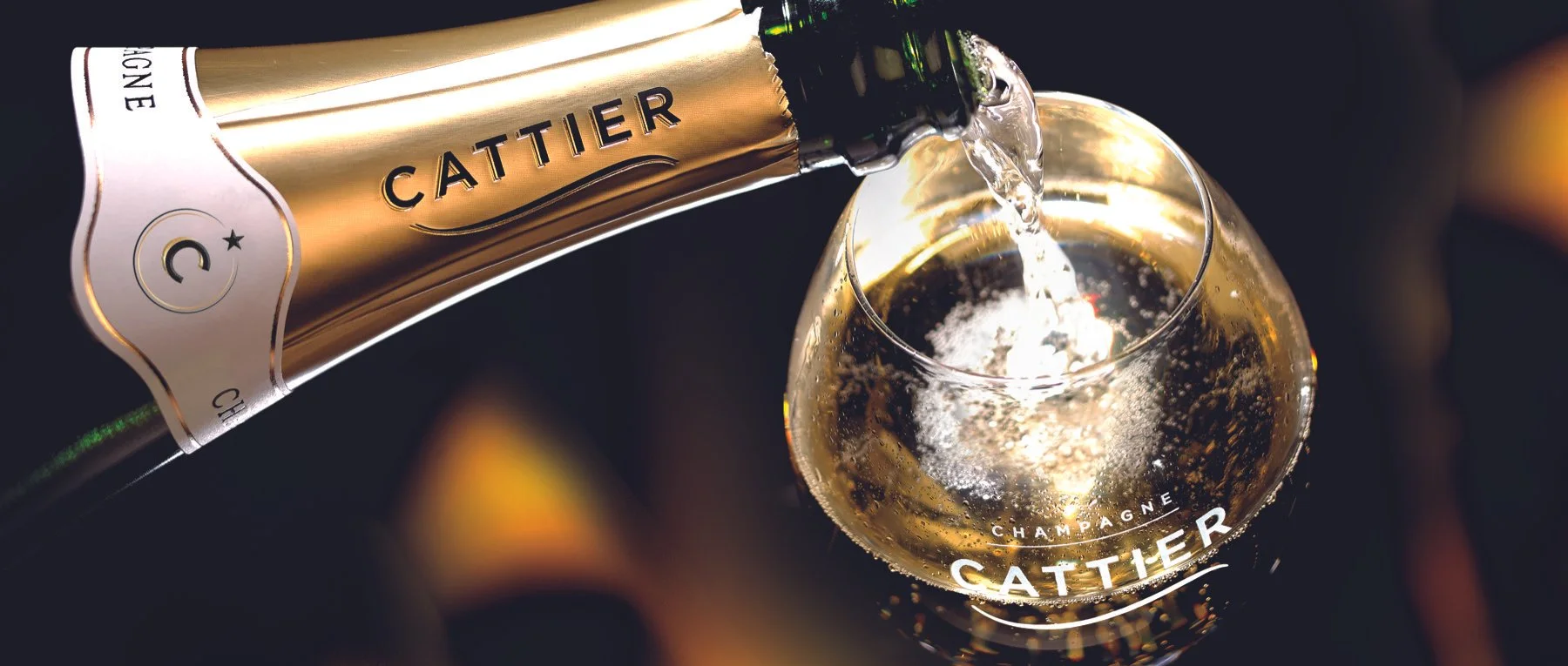
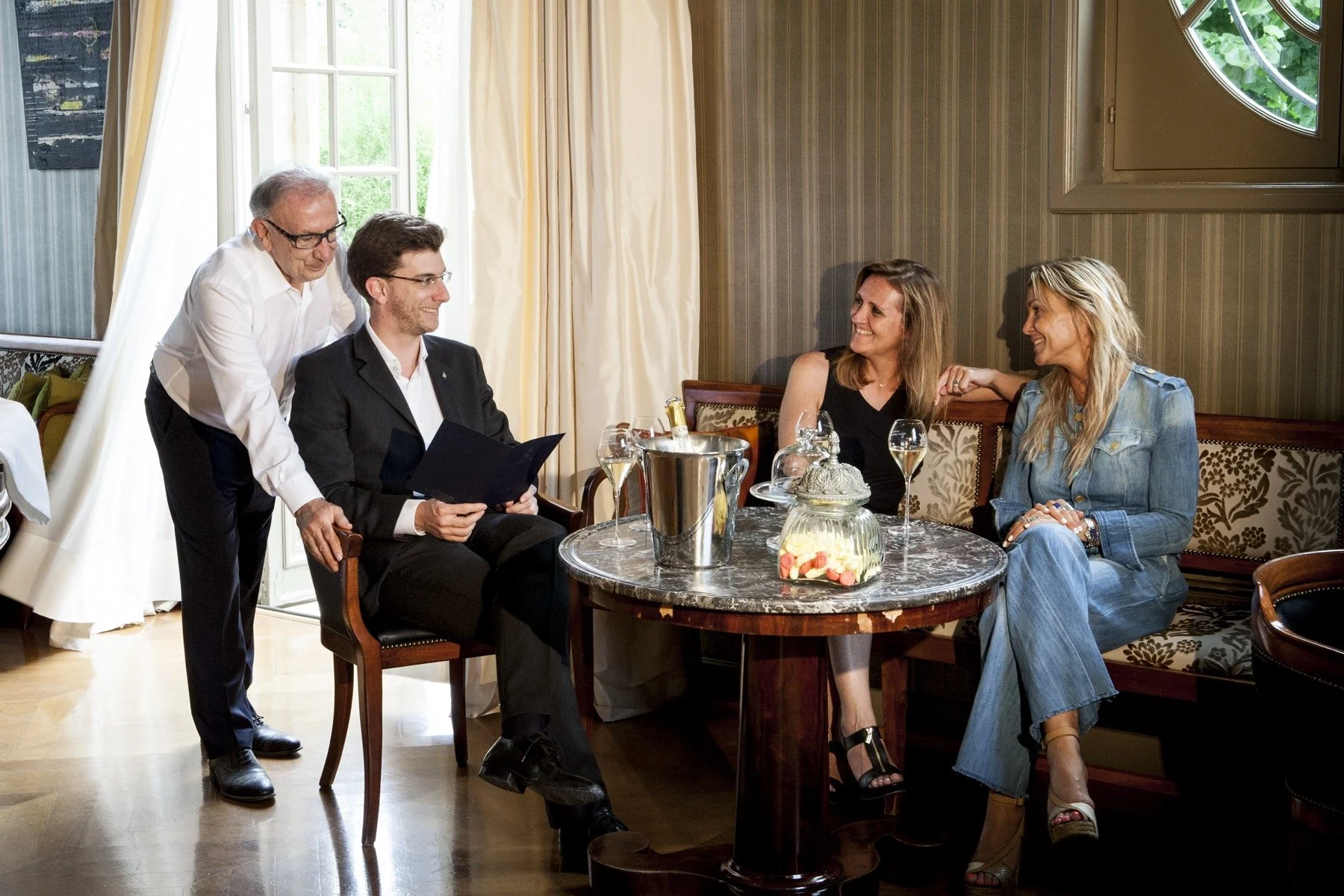
For a private client hosting an intimate celebration, which Cattier Champagnes would you personally recommend and what food pairings would elevate the experience?
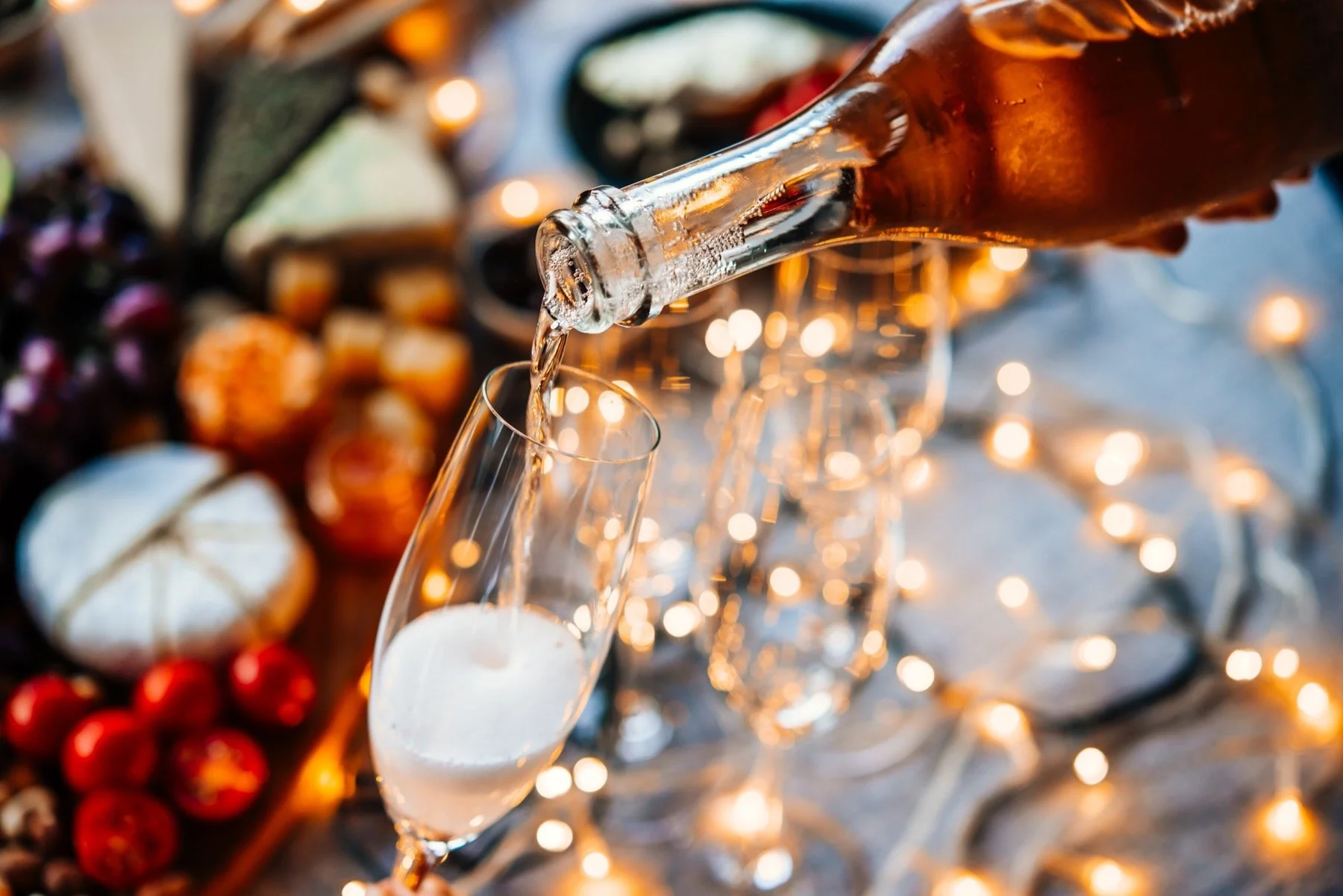
Champagne has always been associated with celebration. But I believe the most meaningful celebrations are often the most intimate ones. The moments that are not necessarily shown on social media but lived sincerely and shared with the ones we care about. An engagement, a birth, a graduation, these are deeply personal milestones. Cattier, in that sense, is perfectly suited. It is distinctive, refined and quietly unique.
When it comes to food pairing and on a daily basis, our Champagnes are remarkably versatile. They pair beautifully with almost every cuisine and cultural influence with the notable exception of very sweet desserts.
I love the idea of a rosé with a dim sum brunch; a Blanc de Blancs alongside a lemony ceviche; a Blanc de Noirs with a traditional Sunday roast; and Clos du Moulin with grouse and a redcurrant jelly, for example.
Yet despite the complexity of our wines, I believe pairing should remain simple. Wine is about pleasure and sensation. It should speak to the soul and the heart more than to the intellect. When we begin to overthink, we sometimes lose the spontaneity of enjoyment. The best pairing is the one that feels natural and genuine.
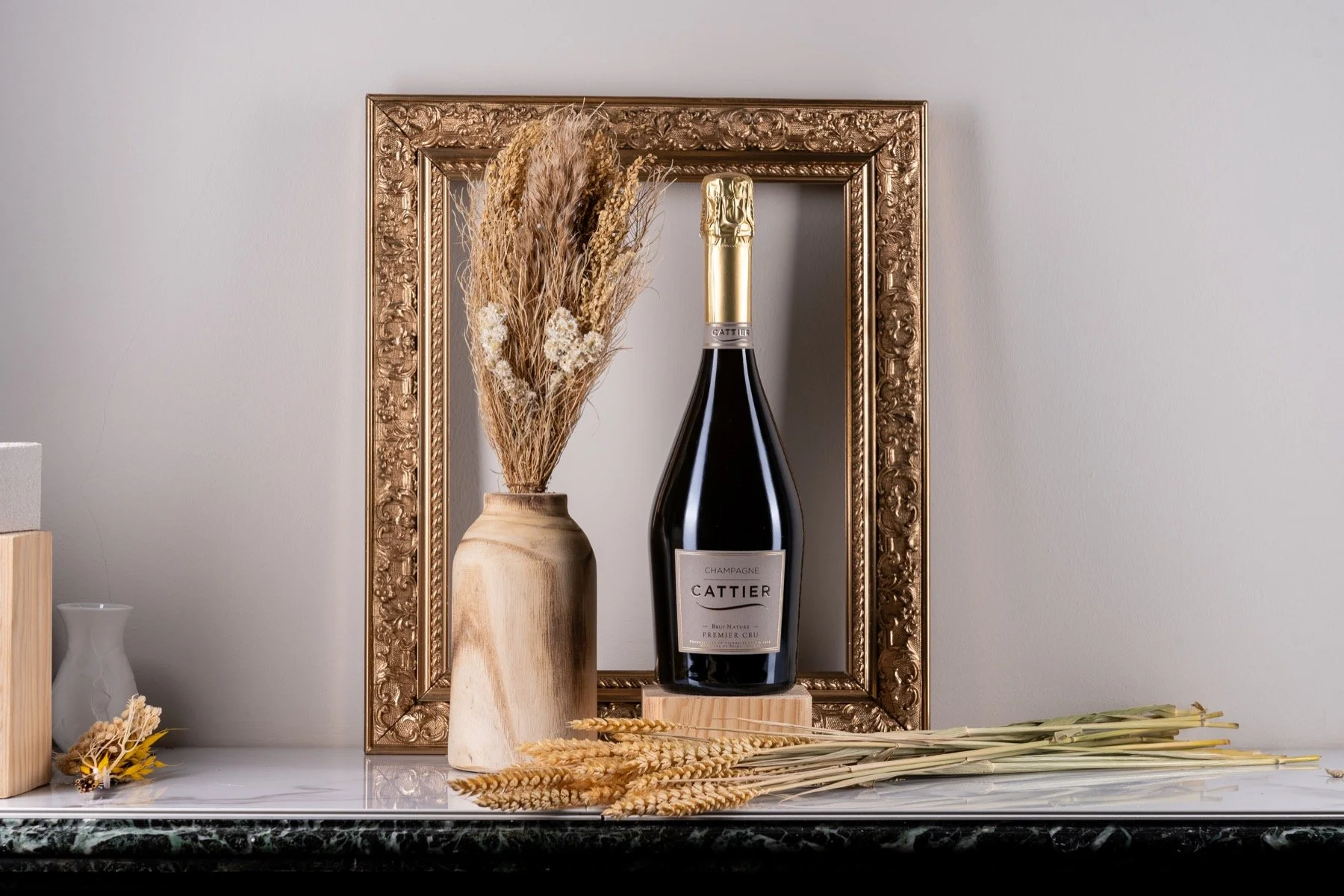
To discover the Maison Cattier Champagnes and learn more about the brand’s rich history, please visit cattier.com
Hungry for more?
Read up on the latest news, delicious eats, travel treats and seasonal style trends in FEATURES, or browse a curated selection of our FEATURED PRODUCTS, meander through our guide to the finest things to do in Cheshire and beyond in WHATS ON or partake in our COMPETITIONS.
About The CHESHIRE Magazine
We are the definitive guide to luxury lifestyle in the North West. Latest news, delicious eats, travel treats and seasonal style trends. The Cheshire Magazine is the largest luxury lifestyle title for the North West of England, dropping directly through the letterboxes of VIP subscribers from the Wirral to Greater Manchester plus all the villages and towns in between and digitally available as a subscription in print and digital on issuu.com worldwide. We specialise in connecting luxury brands to likeminded consumers.
If you are interested on how you can partner with The CHESHIRE Magazine, read more about us. Or get in touch to find out more about marketing, featuring or partnering with the Cheshire Magazine in print or online.